Showing posts with label Women Filmmakers. Show all posts

Friday, August 19, 2022

‘Barrier Device’ Takes An Intriguing Inspection Into The Other Woman


Barrier Device film poster.

Audrey is an independent researcher conducting a study on the female condoms. Life could not be anymore complicated— that is until one of Audrey’s subjects adds an unexpected personal commonality. Serena just so happens to be sleeping with Jay, Audrey’s ex. 

Audrey (Sandra Oh) interviews a new candidate for her research study on female condoms. DP: Patti Lee.

Serena (Suzy Nakamuru) is selected. DP: Patti Lee.

Serena comes in for further conversation with Audrey, telling her that she is currently intimate with two men— Jay and Michael. DP: Patti Lee.

Serena is everything that Audrey is not— younger, vivacious, adventurous. Serena has an open outlook on the world around her. However, Serena also proudly wears Audrey’s grandmother’s necklace with every outfit no matter how much it doesn’t suit her clothes. Perhaps the necklace is not aligned with the wearer as well. The jewelry holds sentimental value to Audrey. In fact, prior to, Audrey calls Jay to find it for her. He is no help. Serena wields a certain power over Jay, a lying, facetious man who only wants Serena because she is not as sexually frigid as Audrey. For him to even ruthlessly give away an object precious to Audrey paints him in a cold, callous light despite his voice being the only thing the audience hears. Jay— although unseen— is a present force occupying space between Audrey, Serena, and Audrey’s grandmother’s necklace. As a result of his shallow, untrustworthy behavior, Audrey is able to put the heartbreaking pieces together. 

Audrey has called her ex about her grandmother’s necklace, but he swears having not seen it and hangs up. Later, Audrey sees it... DP: Patti Lee.

On Serena’s neck. DP: Patti Lee.

Multiple times. DP: Patti Lee.

Still, Audrey cannot resist this newer form of research. It is in her nature to be curious and test situations; seek results. Thus, Audrey begins invading Serena’s life casually, going down the rabbit hole of friendship, seemingly as a mere experiment. After all, the lonely, isolated Audrey lets work occupy her time. Essentially, Audrey’s getting to know Serena on a deeper, connective level appears similar to her work, analyzing and comparing notes— comparing herself to her ex’s new lover. While Audrey has trouble adjusting to the female condoms, Serena is quite adept at getting Jay to use them. 

Audrey reads through Serena’s sex journal. DP: Patti Lee.

Apparently, Serena and her man are quite active. DP: Patti Lee.

Serena shares her sex journal with Audrey. Naturally, Audrey assumes that this is with Serena’s other partner, Michael. It is a much easier exercise than imagining your ex having an excessive amount of physical enjoyment whereas Audrey has trouble getting a man to even fathom the idea of female condoms. One such partner asks, “can we just do it the normal way?” As though the very act of role reversal muddies the potential pleasure experience for both parties. When Serena admits her journal is all about Jay and that Jay enjoys using the female condoms, this puts more blow to Audrey’s already fragile self esteem. Not only is Serena sexually explorative (and even good at a few lies in the act), but she has gotten Jay actively involved, actively participating. The real kicker is that Serena supports Jay’s writing too— another intimate sector that breaks Audrey’s heart. Worse, Jay’s writing is influenced by their past relationship. Audrey, putting work above everything in her life including Jay who needed the ego boost that Serena could offer him. 

Audrey even goes to Serena’s house. There she finds her grandmother’s necklace among Serena’s jewelry. Serena enters and suggests that Audrey try it on. DP: Patti Lee.

However, Jay is not the winning side. Jay is no hero in this catastrophe. He cheated on Audrey with Serena and had the audacity to present Audrey’s grandmother’s necklace to Serena.

Serena cleans out Audrey’s ears and picks out Audrey’s gray hairs. DP: Patti Lee. 

Smartly written and directed by Grace Lee, Barrier Device, a near thirty minute short film riddled with lighthearted womanist connections, tense drama, and warm humor, is a worthwhile watch due to the remarkable chemistry between its leads Sandra Oh and Suzy Nakamuru. When the confrontation finally happens near the end, Oh and Nakamuru play Audrey and Serena’s emotional spirals with great believable ease. Audrey’s despair over Serena’s perfection and Serena’s agony over being misled by Audrey touches on the darker sides of women relationships— especially how jealousy can be a severe, jeopardizing poison. Yet after the hard truths are revealed and the grandmother’s necklace is returned to its rightful owner, Audrey and Serena reach a genuinely sweet understanding. 

Audrey unleashes her fury onto Serena who has barged into one of Audrey’s sessions. DP: Patti Lee.

Serena claims that Audrey has destroyed her life. DP: Patti Lee.

Audrey and Serena reach the climatic point to a rather complex relationship. DP: Patti Lee.

Although it would seem that Jay ironically brought Audrey and Serena together, perhaps their mutual togetherness comes too from the recognizable necklace too. Maybe it was Audrey’s grandmother encouraging Audrey and Serena to see how they had the ability to help each other— with the combined strength and resilience to move past Jay.  


Sunday, September 1, 2019

30 Best Films Directed By Women of Color

Jessie Maple, a Black director and cinematographer, is one of the first African American directors to release a full-length feature film. 
September kicks off the official Directed By Women celebration— a much needed way of highlighting the problematic film industry which still presents white male directors as the privilege key holders to the filmmaking gate. Directed By Women purposely breaks away from the male domination to open up the closed box, showcasing the nuanced stories women behind the camera (and often times behind the pen) portray in their respective films. Time and time again, women directors have masterly proven to take down drama, romance, comedy, horror, and other genres with the “best” white filmmaker. They have the ability to add unique layers often undervalued by the gritty (sexist/racist) awards season.
Although a women’s film renaissance seems to be rising (or falling) every year, there remains an evidenced hard-working ethic that continues to emerge forward despite the stacked uneven odds.
Now while perusing several “Best Women Directed” lists today, some solid films by women of color were left behind. All women have a difficult path to getting films made, especially Black, Asian, Latino, Middle Eastern directors. Thus, this compiled list contains a number of theatrical releases, some limited showings, and few television films.


30. Kung Fu Panda by Jennifer Yuh Nelson


29. Just Another Girl on the I. R. T. by Leslie Harris


28. Wadjda by Haifaa Al Mansour


27. Night Catches Us by Tanya Hamilton


26. Their Eyes Were Watching God by Darnell Martin


25. Treeless Mountain by So Yong Kim


24. Eve’s Bayou by Kasi Lemmons


23. Ayiti Mon Amour by Guetty Felin


22. I Will Follow by Ava DuVernay


21. Belle by Amma Asante


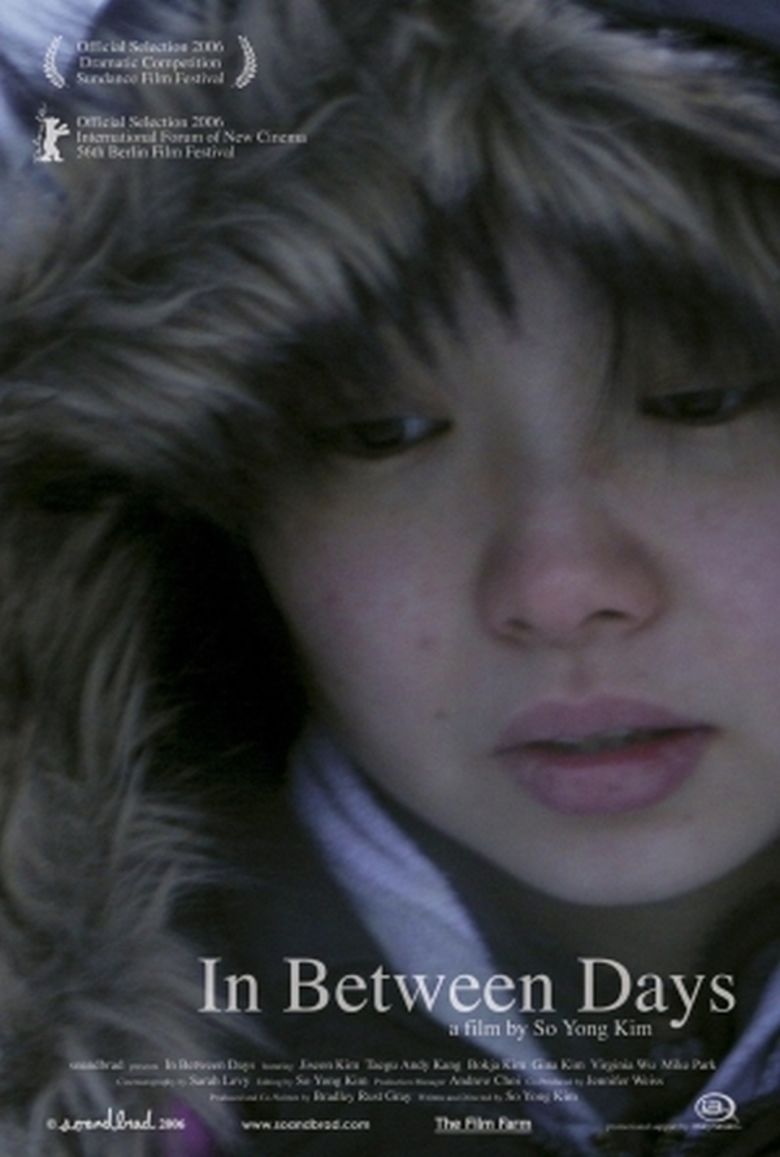
20. In Between Days by So Yong Kim


19. Rafiki by Wanuri Kahiu


18. Long Life, Happiness, and Prosperity by Mina Shum


17. Bend it Like Beckham by Gurinder Chadha


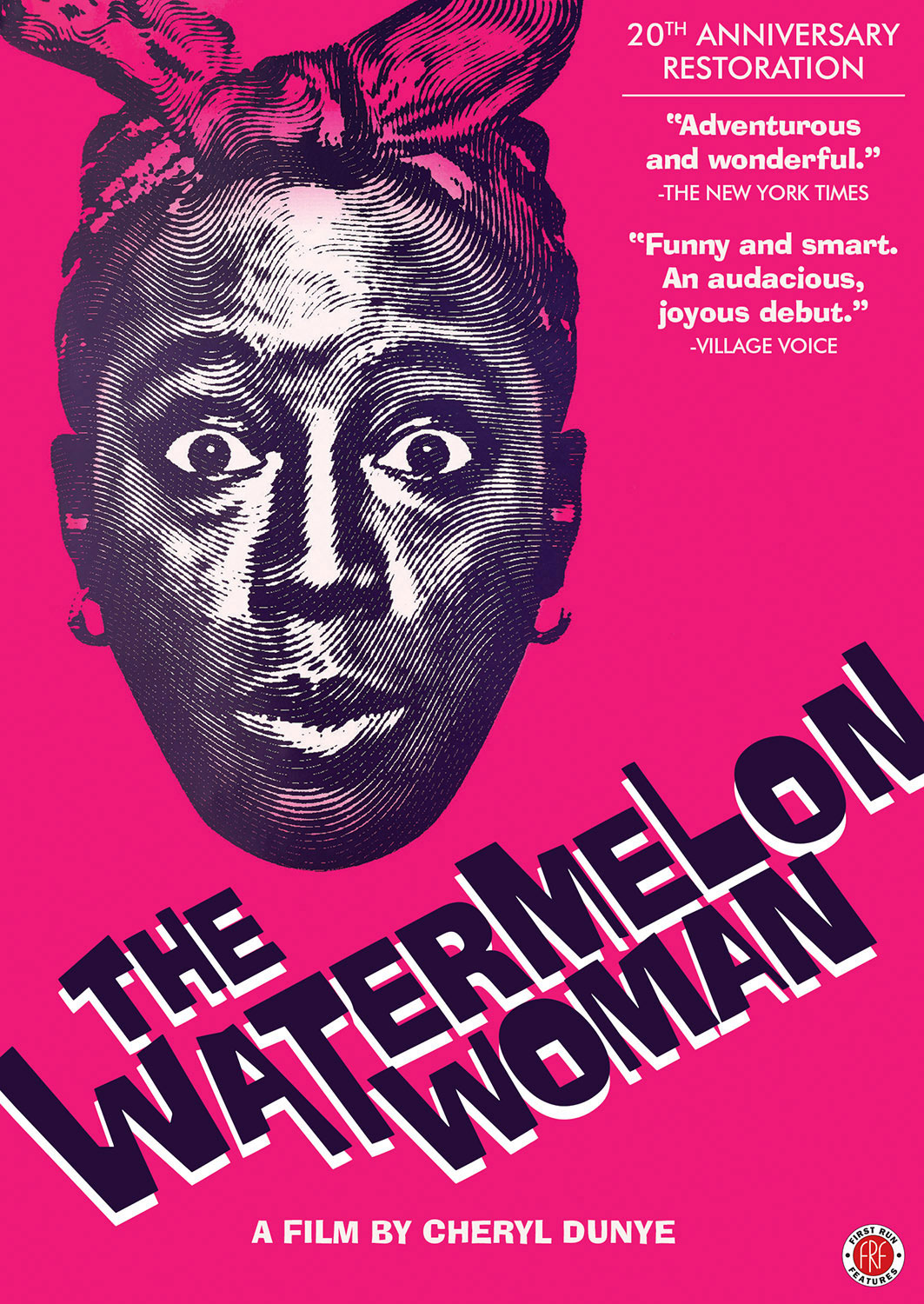
16. The Watermelon Woman by Cheryl Dunye


15. I Like It Like That by Darnell Martin


14. Mississippi Damned by Tina Mabry


13. Real Women Have Curves by Patricia Cardoso


12. Queen of Katwe by Mira Nair


11. Selma by Ava DuVernay


10. The Rider by Chloé Zhao


9. Losing Ground by Kathleen Collins


8. Monsoon Wedding by Mira Nair


7. Love and Basketball by Gina Prince-Blythewood


6. Double Happiness by Mina Shum


5. Down on the Delta by Maya Angelou


4. Pariah by Dee Rees

3. I Am Not a Witch by Rungano Nyoni


2. Middle of Nowhere by Ava DuVernay


1. Daughters of the Dust by Julie Dash


Saturday, August 25, 2018

Poignant 'Night Comes On' A Reflection On Sisterhood and Regret

Night Comes On film poster.
I left Philadelphia's downtown Prince Theatre from watching Night Comes On with an urgent sea of unhinged sadness rushing forward, wiping away spilt tears and trying to regain some semblance of decent composure. This raw, barren film struck such a resonating cord, my own two lost sisters, two dear friends whom I will never see or hear again, floating at the forefront of my mind.

Sisters on board: Abby (Tatum Marilyn Hall) gets Angel (Dominique Fishback) to go to Long Island under false pretenses.
Night Comes On, set in Philadelphia where every scene bears familiarity, begins with Angel's release from juvenile detention. She is about to turn eighteen, the age of consenting adulthood. The first thing on her agenda, however, is not seeing her sister from whom she's been separated for months. Filled with grief and anger over witnessing a violent tragedy, the revenge devil rests on her shoulder, the dark clouded apparatus that cloaks judgment.

The road to nowhere-- sans dreams and ambitions-- seems to be the package for every brown and black girl in America, a tougher plight in the fifth largest city of poverty, tougher still for one with criminal history. Without a nurturing maternal figure to lead Angel down a redemptive path or a sympathetic counselor to heal inner wounds, her lack of self worth muddies her second chance out in the cruel, harsh landscape. She makes heartbreaking choices, allowing her own body to be disrespected, mentally holding onto the visions of pulling other weaponry triggers

Still, Angel is happy to see Abby despite deleting her text messages. They have an awkward exchange. A silence stretched for miles highlights the fragile relationship between young siblings, a thread that can easily sever at the most tremulous times. Yet the biological bond between sisters is felt as Angel goes to Abby's latest foster home. They make small talk. Abby is more excited about Angel's birthday than Angel. Angel is void and distracted, bloodthirsty. She perks up at the mention of their father. Her stern parole officer couldn't give personal information due to circumstances, but she believes that Abby would.  However, Angel underestimates that Abby is perceptive and intelligent. This will later cause major conflict.

Angel then faces more setbacks. Her girlfriend dumps her, leaving Angel in a hopeless, sunken place. During a vulnerable evening, silent and solemn Angel has no one to ask for help. She seeks loneliness and safety among shady places and those that make her invisible. By the wee dawn, all that is lost is lost again.  
Angel constantly reminisces about her mother (Nastashia Fuller)-- a quiet, gentle figure whose demure presence shapes Angel. Sadly, it is likely that the father had been abusing the mother, but she could not leave him. Angel witnessing her death 
Angel and Abby certainly have different personalities. Whereas Abby can make instant friends, Angel is intensely quiet and guarded. They make friends on the bus to Long Island. These girls are typical friendly girls, a clique of jubilance and innocence, a little younger than Angel and older than Abby. Angel stares at them, observing like a spectator in the wrong group. Abby seems right at home.

Angel is upset by Abby's betrayal-- that their whole trip wasn't to see their father at all.

At the beach, however, Angel and Abby showcases how anger dissolves into splendid happiness and bliss. Everything can be forgiven and forgotten. No amount of time apart diminishes the way sisters can mean to each other. Abby is the remaining light in Angel's life, her hope and moral compass. The love conveyed between them a thrilling spectacle frolicking in the water, their brown girl bodies a beautiful contrast against endless blue waters and coarse white sand. Almost reminds one of Moonlight's Juan and Little.

Girls at the beach.

Angel carries Abby on her back.
Throughout, I was caught by the feelings that an older sister has for her younger one, the follower, the one who looks up, which the screenplay expresses vividly well. I recalled countless annoyances, the many mini battles, late night conversations, good times. For ten years, I shared a bunk bed with her. Like Abby, my sister (and our brothers) were eventually in the system, roaming from foster home to foster home. The family would meet on Mondays at juvenile courts in a room with one door. She was finally emancipated at eighteen. We spent time together-- so much catching up, having been separated. We had spats and arguments along the way. She disappeared in 2010, leaving behind no trace. Her absence cuts like a knife.

Meanwhile, my other younger sister on my father's side whom I never met, died two years ago in September. I will always remember her high pitched voice, our long conversations on Facebook, and regret never taking the time to see her in the flesh.

Night Comes On is a medicinal balm soothing the few broken parts inside. Angel and Abby's sisterhood struck a cord-- an art that moved and expressed vicarious feeling difficult to release day by day. It means something profound and sacred to find a tie to one's own personal struggle from that of two characters framing a beautiful picture.

Angel's got a gun.
Jordana Spiro has directed a powerful, significant film with a raw, intelligent screenplay co-written with Angelica Nwandu. The merit lies fully in the dignified performance of Fishback, offering a complex portrait of a girl who realizes at the most pivotal moment that she has something to lose-- her sister, the most important person in her world. Tatum Marilyn Hall in her first role is quite stellar, holding her own against seasoned Fishback, expressing the right emotional notes from heartbreak to disappointment.

Night Comes On is a solid revenge tale with an affectionate twist. Angel faces her demons alone and realizes that the act of pressing forward positively far outweighs the aftermath of an even greater tragedy. Angel can build a new start and become the steady, influential figure Abby can count on. They need each other in order to survive in a remorseless system that chews and spits them out.

Moral of this sentimental narrative: a sister's love will always be eternal regardless if the sister is here on the earth or in spirit.