Wednesday, April 15, 2020

Rocky Shores for Issa and Molly? Say It Isn’t So

Insecure season 4 poster. 
It feels like eons since Insecure dropped off with Issa, Molly, Kelli, and Tiffany celebrating Issa’s 30th birthday at a special projection rerelease of The Last Dragon. Launched by Condola, the successful event inspired Issa to seek out aide for her own ideas— a Block Party for her community. 


Molly (Yvonne Orji) and Issa (Issa Rae) before things become unhinged. Would you still be BFF’s if someone called your life messy when theirs is not exactly together either? Molly needs to meet a kettle ASAP. 
In season four’s first episode Lowkey Feelin’ Myself, it sounds like Molly and Issa— one of the show’s key foundations— are on the rocks. Condola and Issa are becoming fast friends in addition to partnering in what appears to be an upcoming successful venture. And Molly seems to be looking left out. Sometimes relationships need a cooling off period, even sisterhood ones. Case in point, Molly and Issa have always had a tight bond. They talk about any and everything, smoke pot, and do yoga together for crying out loud. However, Molly has been too comfortable. The language used, her tone, even her eyes were expressing degrees of animosity, envy too. Deep down, perhaps, Molly does not want Issa’s Block Party to succeed, much less Issa and Condola. 


Yes, it will be strange that Lawrence’s new girlfriend Condola (Christina Elmore) is working with Issa, but this girl was already giving the beaming “I’m proud of you, Sis” look at Issa during the Block Party meetup. 
Before Issola can take off, it is revealed that Condola and Lawrence are not only dating, but Tiffany knows about it. Even if she was aware of the one date, it was wrong of Tiffany to withhold that information from Issa. Although Condola and Lawrence’s romantic link may mar the potential friendship from fully forming between the two, Condola and Issa retain an unexpected spark. Issa sees a lot of herself in Condola and Condola definitely sees Issa as a fun, quirky, stylish girl. This is unlike the dynamic between her and Frieda— Issa’s former We Got Y’all co-worker. Black women are something else together in a way, especially with a personality like Issa— awkward yet surprisingly fresh and relatable. Molly on the other hand could not form relationships with any of her co-workers, Black or otherwise. Hence why, Issa picturing Condola dressed like her whilst having sex with Lawrence (complete with the tags still on the clothes) was downright hilarious. 


Molly (Yvonne Orji) and Issa (Issa Rae) at the party, but Molly obviously had only Andrew in mind. 
Earlier in season three Daniel liked being the “hero” for Issa and Molly has these minor similarities. Molly, the successful, financially stable friend, loves being relied on, needed. Her selfishness entered Issa’s big event, growing wildly. Molly saw herself sidelined for another woman, jaws dropping hardcore as Issa thanked Condola, a definite red flag. Instead of congratulations (which Kelli and Tiffany granted), Molly pulls Issa aside to discuss her relationship with Andrew aka Asian Bae. Now there is a time and a place to talk about your personal situations— a night of raising money and promotion was not it. Even Issa, whose body language revealed her own frustration with her self-centered friend, was not having it. As they were taking out the trash, the feelings could not have been painted any clearer. 

Other tidbits: Issa still uses people to her advantage. At least she is open to different body types. Her brother may be gay, but he appreciates the alluring qualities of a woman’s body. Kelli still deserves a rich layered story beyond the sex crazed voluptuous sidekick. The moment Andrew (whose fabulous hair is gone) nonchalantly confirms that he is dating other people, Molly reacts in typical Molly fashion. The show within a show promises to be another hilarious treat with Terri J. Vaughan and Ray J leading the fray. 


Issa (Issa Rae) has definitely come up on her public speaking skills. 
In conclusion, this welcome back episode was quite interesting— the music, the fashion continues threading significantly into the show. While Issa is growing (well, if she could only stop returning clothes), Molly is stagnant— how can a friendship survive that? Can Condola and Issa blossom into a new sisterhood while Condola is dating Lawrence— Issa’s longest relationship? 


Wednesday, April 8, 2020

‘Fig Tree’ Is A Poignant Autobiographical Tale

Fig Tree film poster. 
With the Western obsessive “happily ever after” and “that love like our grandparents’ had” narrative, it takes ample courage and grit to tell a tragic coming of age love story. Set in Ethiopia around 1989, a friendship is tested in ways that Romeo and Juliet cannot compare. This situation is more gender and religion than family vendetta. The circumstances are more dire, stakes raised higher. Fig Tree‘s Mina and Eli have a beautiful relationship, but as such most things cannot always stay tied together like knotted ribbons. 


Eli (Yohannes Musa) and Mina (Betalehem Asmamawe) up in their fig tree. 


Smart, Jewish Mina shifts between tomboyish in her straight back braids and American shirts and shorts and maturing womanhood in an olive green checkered dress. Eli is a Christian, sweet-faced apple of his mother’s eye. Mina and Eli live together (her family is purposely hiding Eli). They are best friends, often running off to rendezvous beneath and around their fig tree. In that mystical meeting place, they can climb above those gnarly branches and be safe from the pop up soldiers kidnapping boys for war. Against the backdrop of this unfair civilization, their love is an urgent one, as urgent as their need to leave the country. Yet the process of leaving takes time and careful forgery. 


While Mina (Betalehem Asmamawe) smiles in every picture, her grandmother (Weyenshiet Belachew) keeps her face the same seemingly vacant expression.  Perhaps because she has had a hardened life or has forgotten joy. Later, however, she tells Mina that she was in love once. 

Mina has a closer relationship to her stern grandmother, but a tense one with her mother who abandoned them to live in Europe— they have to travel ways to call her. Meanwhile, Rata, Mina’s older brother— a returned veteran with a disability—is supportive of the war effort. In fact, he wishes to return to the frontlines. It is the grandmother and Rata who are quick to snuff out Mina’s outspokenness and show her that there are consequences to being “disrespectful” to authority. 


When Mina (Betalehem Asmamawe) spied the soldiers in the window during class, she does not hesitate to do what is right. 


The cast is led by the phenomenal Betalehem Asmamawe, making her acting debut. She carries this film on her shoulders as a young girl breaking through adolescence whilst simultaneously fighting the horrific system in the only way she can. Mina is brave, resilient, and passionate— emotions Asmamawe was able to evoke in every scene. 

Aäläm-Wärqe Davidian’s gut wrenching piece of work, based on her own life, daringly casts a shadow over the evil consequences of war, especially in its severity of stealing young boys unprepared for adult battles. She shows love and fear of Eli’s life through the eyes of Mina, his young love and his mother who has had a nightmare of his death. These two women make ultimate sacrifices in order to protect him only to be sabotaged. Winner of the TIFF Eurimages Adentia Award, the Atlanta Jewish Film Festival Jury Prize for Emerging Filmmaker, and a skew of honors for cinematographer Daniel Miller, Fig Tree deserves every last win and nomination. Hopefully this encourages Davidian to pen and direct more features, more stories from her poignant perspective. Her voice is unique and transformative, a pleasant evidence that there are emerging women creatives in Ethiopia determined to make an impact. 


Eli (Yohannes Musa) and Mina (Betalehem Asmamawe) are a calm before the storm. 


Fig Tree— a history lesson and love story all at once— is a must see and tissues will be needed. For Davidian's haunting story will leave audiences pining for a better, just world. 


Tuesday, April 7, 2020

‘The Nanny’ Reunion Pandemic First Episode Read

The Nanny debuted on November 3, 1993 and ended on June 23, 1999.
Along with Family Matters, The Fresh Prince of Bel Air, Blossom, and Sister, Sister, and other iconic 90’s sitcoms, The Nanny was among those considered a family gathering moment around the singular television. Thus, imagine the happy surprise of tuning into the reunion pandemic reading of the first episode. The cast (with the exception of guest star James Marsden) read along in their respective homes adding the treat of Ann Hampton Calloway singing and piano playing The Nanny Named Fran theme and Peter Marc Jacobson, The Nanny’s co-creator narrating the start of each scene. 

Reunited bunch. 
Even though separate from each other, they made #StayAtHome work. Charles Shaughnessy (the very dashing Broadway producer/widower Mr. Maxwell Sheffield) with his eloquence and props, Benjamin Salisbury (the problematic middle child, Brighten) with wry humor, Nicholle Tom (the sheltered eldest child, Maggie) with that sincere innocence and surprisingly hilarious switcheroo, Madeline Zima (the youngest, slightly misunderstood child, Grace) humorously embodying a six-year-old’s quirky spirit, Lauren Lane (the catty neighbor CeCe) and Daniel Davis (Brit wit Niles the butler) still maintaining those clipped, haughty tones and perched eyebrows all alit in their hilarious banter, Renee Taylor with the loud, razzle dazzle, and of course the illustrious, down-on-her-luck Fran Drescher herself leading the pack as a cosmetics sales lady turned nanny. 

Peter Marc Jacobson narrating alongside exterior shots from the first episode. 
Although the show is about an unemployed Jewish white woman from Flushing, New York City, there was something daring that I did not catch as a child— the mentioning of President Ronald Reagan’s underhanded interference in Grenada. 

After firing Fran for crossing the line in his parenting, Mr. Sheffield goes, “I overacted, didn’t I?”
“Like Reagan in Grenada,” Niles replies. 

The whole history lesson here is that in order to demolish the People’s Revolutionary Government (which threw out Grenadian system), the profound Maurice Bishop and his followers had to be silenced. Once they were all brutally murdered (with location of their bodies still relatively unknown), the United States invaded the vulnerable Caribbean country under the guise of code name Operation Urgent Fury. Now how this related to The Nanny circa 1993, ten years after this horrific power play abuse, is a huge stretch of a simile, especially considering that the show is lily white. There are no people of color onscreen or behind-the-scenes. It is extremely problematic that this came to be suggested and given the go-ahead. Even now with the United States seizing medical supplies from reaching Barbados— another Caribbean country. In the deliverance of that line, it feels like the laughter is geared more towards what the Reagan administration did to innocent bodies than Mr. Sheffield temporarily firing Fran. 

From afar without sets and props, Fran (Fran Drescher) and Mr. Sheffield (Charles Shaughnessy) still have the chemistry. 
However, one of the more funnier examples of the 90’s many pop culture references of bullying 45, was Fran waving at the unseen Ivana Zelníčková Trump— the first of his three wives— exclaiming, “you’ll find someone new.” Let us hope that comes to who leads the country in this presidential election year. 

While it was wonderful to see the cast reunited and bring back pleasant memories, it does question what flew over our heads in the dialogue. What did we not understand between the laugh tracks? Of course there was plenty of sexual innuendo going on— that happens a lot in most sitcoms. There are levels of sensitivity to consider when formulating scripts. Yet the writers put the umbrella up to let the audience guess. And often times, we miss the mark because the information was not privy to us. 


Wednesday, October 30, 2019

Happy Birthday, Nia Long: Fem Film Rogue Icon Spotlight

Happy birthday, Nia Long.
Nia Long is hands down one of the most iconic Black women actresses of our time. The ageless, acting chameleon stepped out on the Hollywood scene as the fresh faced It Girl showing off a sleek cropped haircut and raisin lipstick, stealing hearts with that unbelievably gorgeous complexion and vivacious style. She played fierce, confident, sexy, intelligent characters that are still being hailed today.

Like Saved By the Bell's Lisa Turtle, Fresh Prince of Bel Air's Lisa Wilkes was a huge 90's fashionista.
Long made her start guest starring on an episode of 227 and The Magical World of Disney before taking turns as Brandi in John Singleton's Oscar nominated classic Boys in Da Hood. Made in America, a Black girl finds out that her sperm donor dad is a white man and the role could have easily been offered to a biracial actress, but Long owned Zora Matthews. Long has starred in Friday as the unattainable Hot Girl Debbie. On the small screen, Her Stacey Evans toyed with Kyle's heart on Living Single and her Lisa Wilkes almost married The Fresh Prince of Bel Air.

Long starred as police officer Sasha Munroe on NBC's Third Watch and guest starred on the late soap Guiding Light as well as Judging Amy, Boston Legal, Big Shots, House of Lies, Uncle Buck, Empire, Dear White People, and NCIS: Los Angeles.

Leading Lady Material: Nia Long as Brandi in Boys in Da Hood (with Cuba Gooding Jr.) top left, Nina Mosley in Love Jones (with Larenz Tate) bottom left, and Jordan Armstrong in The Best Man (with Taye Diggs) right. 
Long is most certainly underrated as the romantic film lead. Love Jones will definitely go down as one of her best roles-- the talented, reserved photographer Nina Mosley who deliciously falls for the Casanova poet Darius Lovehall (played by the amazing Larenz Tate) to an amazing soundtrack. In The Best Man series, Jordan Lovehall has a complicated history with Harper Stewart (played by Taye Diggs) who is seriously committed to Robin (Sanaa Lathan) which leads into a very tumultuous triangle-- well rendered by the three actors involved, especially Long, not a loser but victorious by other means. Long can be seen in Soul Food, Big Mamma's House, Alfie, Keanu, Are We Done Yet and its sequel.

Nia Long with Lemon director Janicza Brazo and co-star Shiri Appleby.
In 2017, Long starred in a Black woman directed film, Lemon, Janicza Brazo's quirky Sundance Best of Next nominated feature-length debut, playing the love interest, Cleo. Hopefully, this opportunity could lead Long into more collaborations with women directors (though yes, women have written some of the screenplays Long has starred in). It would be a dream to see her in something raw and poignant with the likes of Ava DuVernay, Kasi Lemmons, Julie Dash, or Dee Rees. Long has the chops and one of these directors can deliver her juicy material and that juicy material can lead to the awards buzz that Long has deserved forever.


In addition to films and the small screen, Long is also a music video vixen, having starred in videos by Snoop Dogg, Kanye West pre fabricated church era, and other rappers. In Ashanti's Baby (which Long co-directed), Long is serving all kinds of sensational, flawless looks, even singing along to the lyrics to her "lover's" ear.


Long has won three NAACP Image Awards (Best Actress in a Drama Film for The Best Man and  Best Actress in a Drama Series for Third Watch, twice), a Black Reel Award (Best Theatrical Actress in The Best Man), and three honors from the Acapulco Black Film Festival (Star of Tomorrow for 2000, Best Actress and Best Ensemble Cast for The Best Man Holiday).

Up next Long will be in The Banker with Samuel L. Jackson and Anthony Mackie, Life in a Year with Cuba Gooding Jr. and Jaden Smith, and Fatal Affair with KJ Smith and Omar Epps.


In a Hollywood that tragically suffers from colorism, Nia Long has always been that woman to look up to for the multifaceted image of a brown skin woman, choosing dignified, humanist roles.  She is still searching for the roles that are not race and gender specific, that allow her to be so much more than what is stereotypically required of her. Until she finds the answer, she has amassed a sweet body of work worth watching on repeat.


Nia Long Quotes:
"When I requested or wanted more, I was considered difficult, outspoken, entitled, and all of the things that should not be used to describe a woman who has earned her space, her place, and delivers. And that just doesn’t apply to me, that’s for everyone."
"I’m 45. I’m black. And I’m a woman. So those are three really hard things to deal with ... I work really hard to get sometimes crumbs. I feel blessed and lucky to have the career that I have. But there are times that I’ve been beat up in this business. It hasn’t just been roses and fairy tales. It’s been a tough road."
"I’m not trying to be an ingénue anymore. I wouldn’t want those opportunities because then that would just mean that I haven’t grown."
"No matter what level you’re on in this industry, you’re expected to be excellent. Being excellent — when the material isn’t — can be challenging."
“I got to strip down and just be raw and vulnerable and afraid and misunderstood. All of us have a family member that resembles a Miss Peggy. She is you know she’s a hero, really, at the end of the day. ... So for me it was a no-brainer. I love the story.” (on playing Ms. Peggy in Roxanne Roxanne).


Friday, September 13, 2019

Young Sisters Survive Abandonment in 'Treeless Mountain'

Treeless Mountain film poster.
Jin is the oldest of two sisters and the only one in school. After class ends, Jin plays pogs and she's quite good at earning a considerable stack. Due to having a little fun, Jin is late in picking up her little sister Bin from an upset caretaker. From the scene, it sounds as though the caretaker too has had enough of Jin and Bin's mother and must take frustrations out on the children. Jin and Bin's mother isn't happy either, having enforced Jin to leave the precious parts of childhood behind at way too early an age.
"Why were you late?" The mother asks.
Jin doesn't respond, likely fearing disappointment that she wasted that time playing games. 
This foreshadows the mother's role in the film, in Jin and Bin's lives. The girls did what was expected of them by the mother, but the mother reappears the moment "she's supposed to."

The mother (Soo-ah Lee), Jin (Hee-yeon Kim), and Bin (Song-hee Kim) set out for an uncertain future. 
Later on, the mother has been evicted and goes off with her daughters via bus to stay with her sister-in-law. The next day, however, the mother leaves Jin and Bin a pink plastic piggy bank and promises to return once it is filled. She either knows that they will not make enough change or that she will truly reunite with their absent father. Thus, this reveals that children alone do not make unbelievable notions-- adults living in fanciful worlds can harm the family foundation. After all, the mother has been treating Jin like a babysitter and less like a little girl. It is not that she is shirking motherly duties because she doesn't want them, she can't afford the harsh realities that come with parenting. Financial burden--even with a job--is too heavy a burden and she seems to have no where to turn. She could drop the girls off from place to place, but where can a mother go?

Bin and Jin still watch out for their mother each day and work hard for their drunken aunt-- a woman who scolds and yells. She barely gives them coins for their piggy bank. Suddenly, there are times, Jin is sent to bed without supper or their aunt is passed out drunk, leaving the girls with nothing to eat. They befriend a neighborhood boy and his sweet, affectionate mother (who gladly feeds them). In fact, the mother is like a mother they should have had, a caring, thoughtful, generous woman who always has a plate of cookies to spare. The cookies are comforting to Jin and Bin. Yet they don't want to keep using her. Instead, they find a resourceful way to support their hunger pangs and fill the piggy bank. It is the grasshopper--an ancient symbol of good luck-- that helps them.
Unfortunately, Jin and Bin will realize that sometimes adults say things they are powerless to mean.

Bin (Song-lee Kim) watches her sister, Jin (Hee-yeon Kim) prepare grasshoppers. They sell these for cheap to make money-- more so than their aunt can give. 
Writer/director/producer So Yong Kim (who has directed episodes of Queen Sugar, American Crime, Good Girls, and Divorce) has rendered a narrative rich in beautiful cinematography and laudable characters. The poignant closeups on Jin and Bin's innocent, doe-eyed faces shows that portrayers Hee-yeon Kim and Song-lee Kim expertly express the pains and sorrows of growing up motherless. Their performances are riveting and heartbreaking, great vehicles to drive the film forward as the characters move from the city life to pitiful poverty to the simplistic farm life of their grandparents. Also, the use of food is important-- the characters eating at the table, picky Jin's dislike of her aunt's food, Bin's compulsion to "eat anything," their grandmother making dough from scratch-- it is all relative.

Bin (Song-lee Kim)  and Jin (Hee-yeon Kim).
The brave, candid Treeless Mountain is an exceptional film about two little girls relying on each other for emotional, moral, psychological, and physical support. Whenever nourishment is lacking, Jin will comfort Bin and likewise. In a world that can easily leave girls behind (especially irresponsible adults), Jin and Bin have to toughen up and let their imaginations breeze into the wind. By the end, the resolution is a somber, appropriate tone to all that of which they have carried and learned from the people around them. Patience ultimately becomes their biggest foe and their greatest ally.

Sunday, September 1, 2019

30 Best Films Directed By Women of Color

Jessie Maple, a Black director and cinematographer, is one of the first African American directors to release a full-length feature film. 
September kicks off the official Directed By Women celebration— a much needed way of highlighting the problematic film industry which still presents white male directors as the privilege key holders to the filmmaking gate. Directed By Women purposely breaks away from the male domination to open up the closed box, showcasing the nuanced stories women behind the camera (and often times behind the pen) portray in their respective films. Time and time again, women directors have masterly proven to take down drama, romance, comedy, horror, and other genres with the “best” white filmmaker. They have the ability to add unique layers often undervalued by the gritty (sexist/racist) awards season.
Although a women’s film renaissance seems to be rising (or falling) every year, there remains an evidenced hard-working ethic that continues to emerge forward despite the stacked uneven odds.
Now while perusing several “Best Women Directed” lists today, some solid films by women of color were left behind. All women have a difficult path to getting films made, especially Black, Asian, Latino, Middle Eastern directors. Thus, this compiled list contains a number of theatrical releases, some limited showings, and few television films.


30. Kung Fu Panda by Jennifer Yuh Nelson


29. Just Another Girl on the I. R. T. by Leslie Harris


28. Wadjda by Haifaa Al Mansour


27. Night Catches Us by Tanya Hamilton


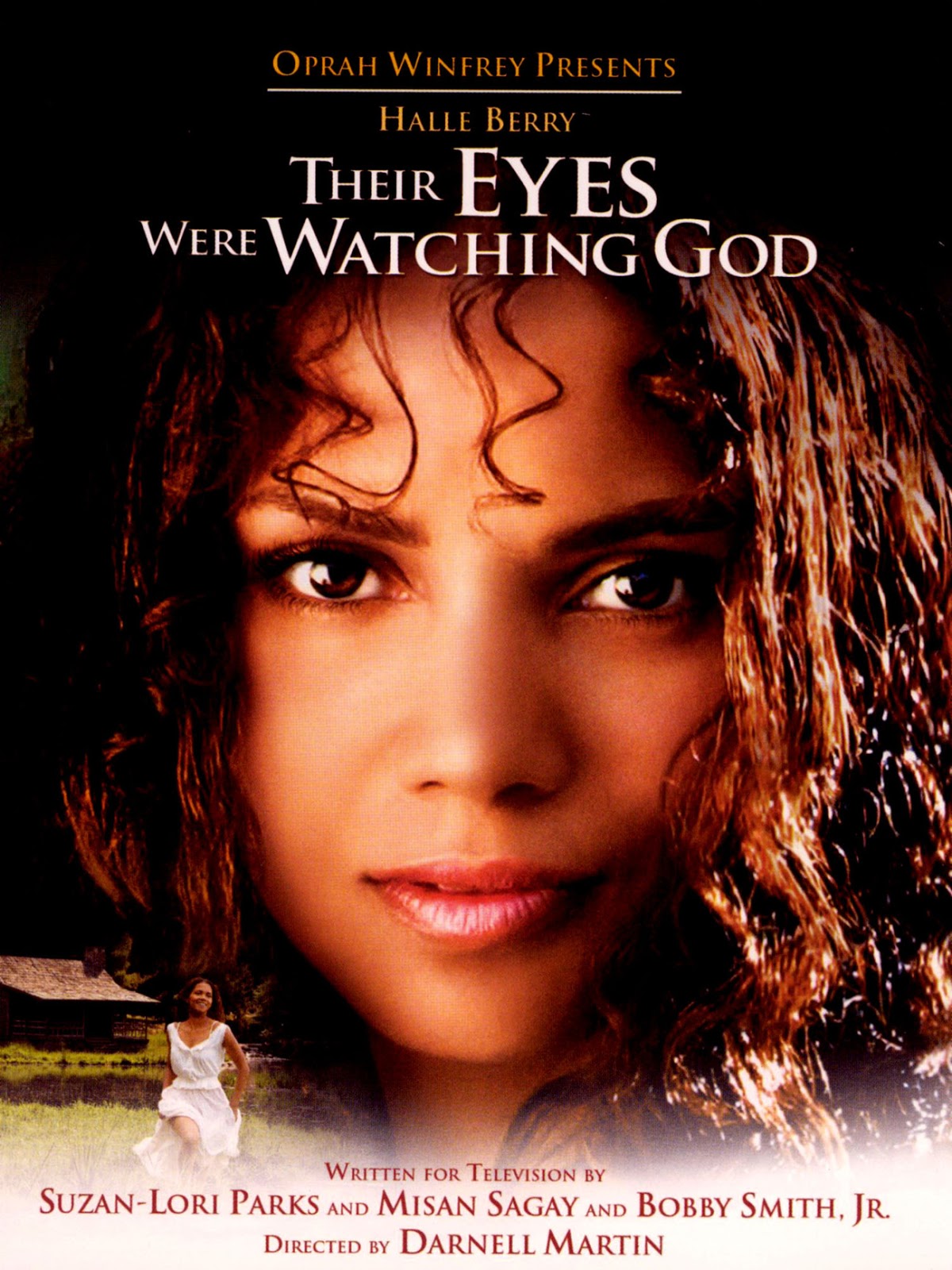
26. Their Eyes Were Watching God by Darnell Martin


25. Treeless Mountain by So Yong Kim


24. Eve’s Bayou by Kasi Lemmons


23. Ayiti Mon Amour by Guetty Felin


22. I Will Follow by Ava DuVernay


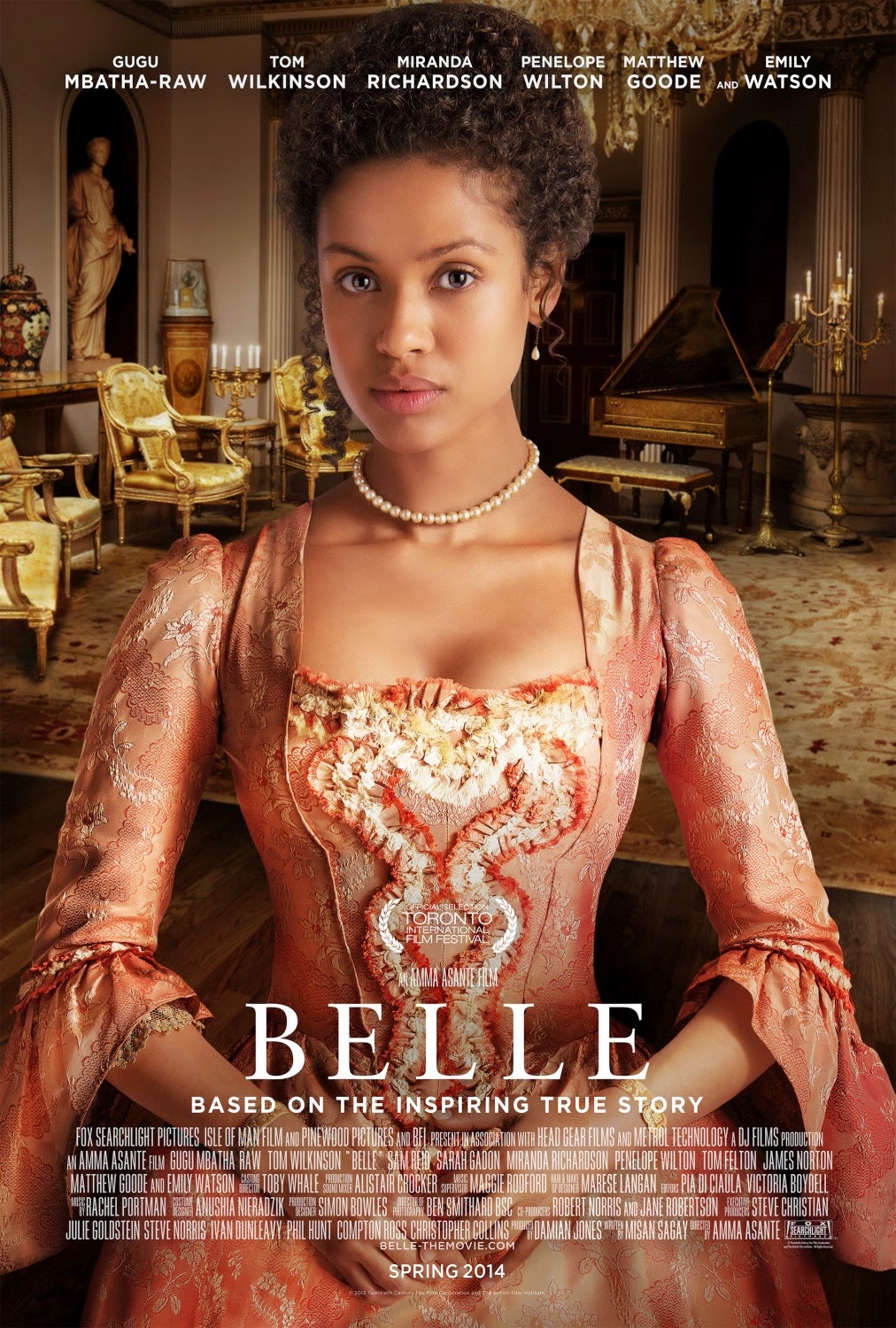
21. Belle by Amma Asante


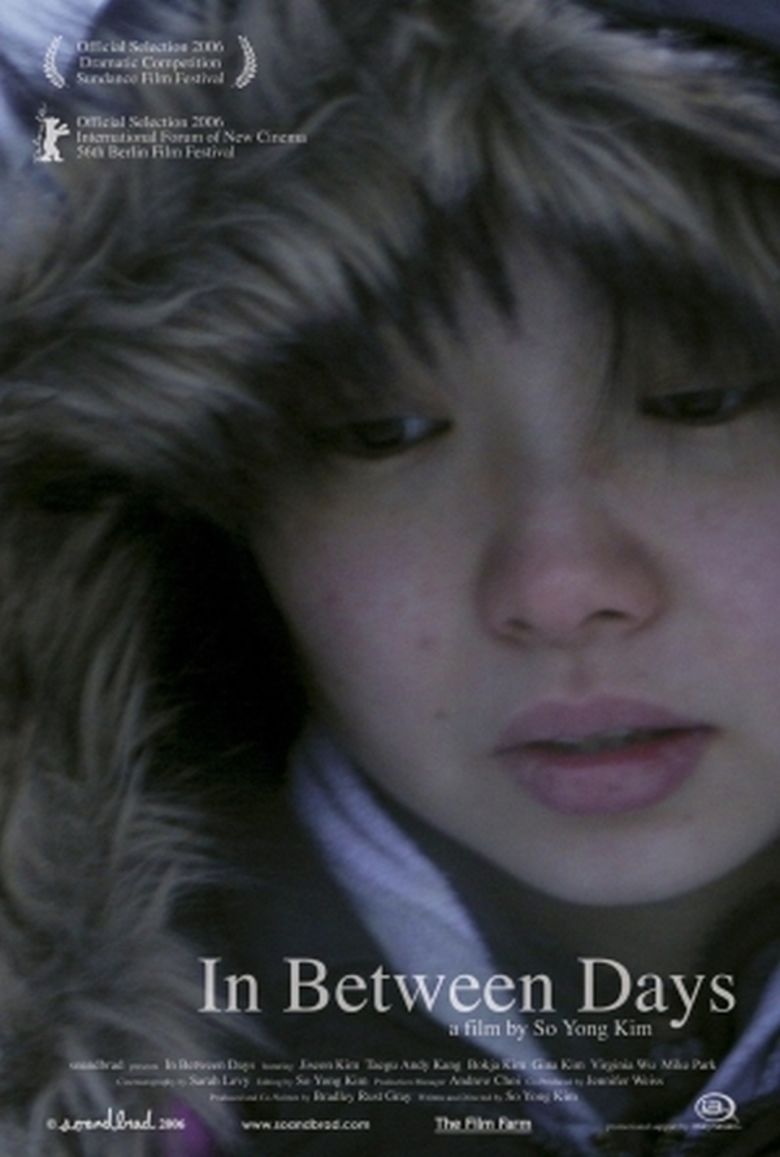
20. In Between Days by So Yong Kim


19. Rafiki by Wanuri Kahiu


18. Long Life, Happiness, and Prosperity by Mina Shum


17. Bend it Like Beckham by Gurinder Chadha


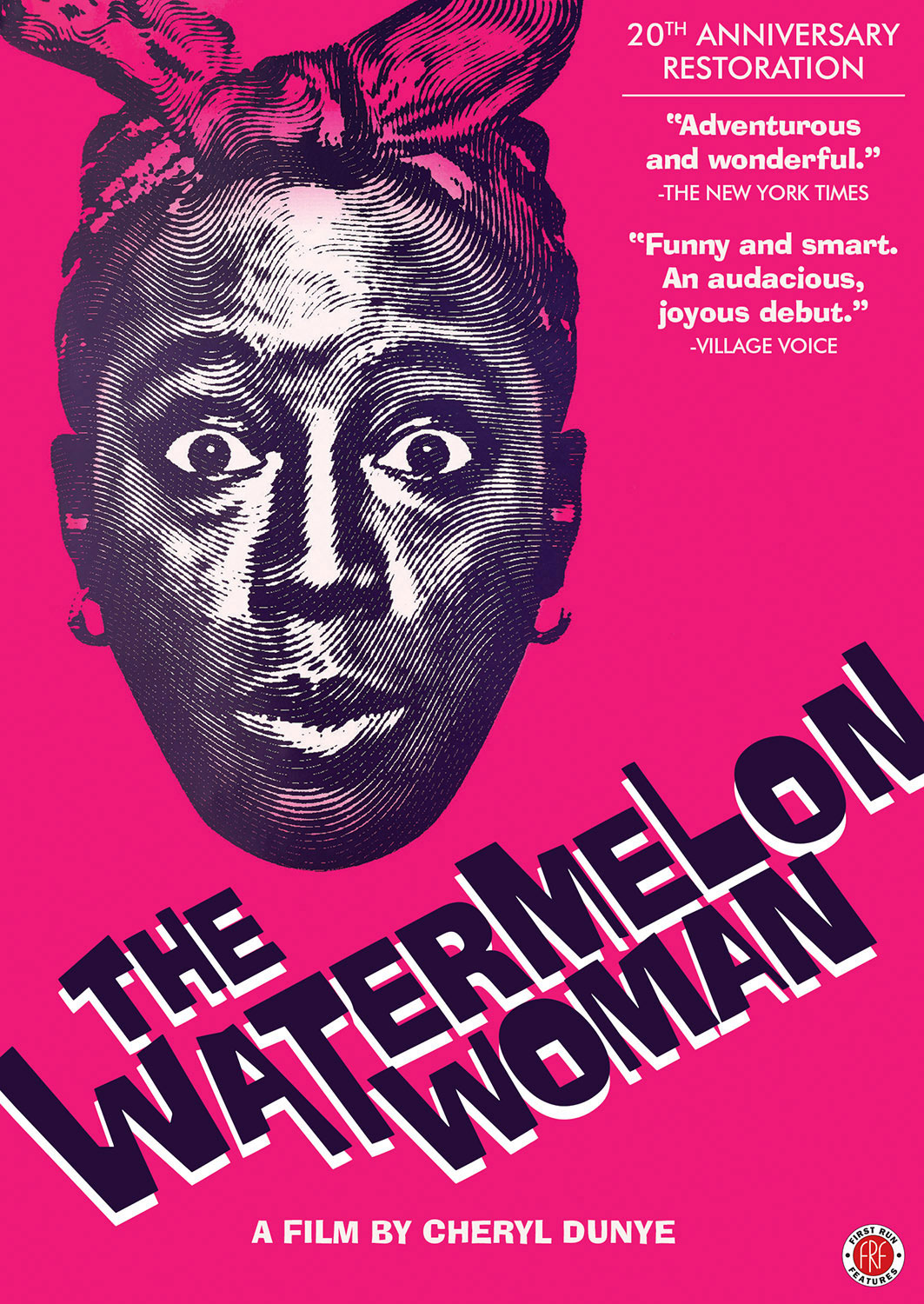
16. The Watermelon Woman by Cheryl Dunye


15. I Like It Like That by Darnell Martin


14. Mississippi Damned by Tina Mabry


13. Real Women Have Curves by Patricia Cardoso


12. Queen of Katwe by Mira Nair


11. Selma by Ava DuVernay


10. The Rider by Chloé Zhao


9. Losing Ground by Kathleen Collins


8. Monsoon Wedding by Mira Nair


7. Love and Basketball by Gina Prince-Blythewood


6. Double Happiness by Mina Shum


5. Down on the Delta by Maya Angelou


4. Pariah by Dee Rees

3. I Am Not a Witch by Rungano Nyoni


2. Middle of Nowhere by Ava DuVernay


1. Daughters of the Dust by Julie Dash