Showing posts with label Dee Rees. Show all posts

Sunday, September 1, 2019

30 Best Films Directed By Women of Color

Jessie Maple, a Black director and cinematographer, is one of the first African American directors to release a full-length feature film. 
September kicks off the official Directed By Women celebration— a much needed way of highlighting the problematic film industry which still presents white male directors as the privilege key holders to the filmmaking gate. Directed By Women purposely breaks away from the male domination to open up the closed box, showcasing the nuanced stories women behind the camera (and often times behind the pen) portray in their respective films. Time and time again, women directors have masterly proven to take down drama, romance, comedy, horror, and other genres with the “best” white filmmaker. They have the ability to add unique layers often undervalued by the gritty (sexist/racist) awards season.
Although a women’s film renaissance seems to be rising (or falling) every year, there remains an evidenced hard-working ethic that continues to emerge forward despite the stacked uneven odds.
Now while perusing several “Best Women Directed” lists today, some solid films by women of color were left behind. All women have a difficult path to getting films made, especially Black, Asian, Latino, Middle Eastern directors. Thus, this compiled list contains a number of theatrical releases, some limited showings, and few television films.


30. Kung Fu Panda by Jennifer Yuh Nelson


29. Just Another Girl on the I. R. T. by Leslie Harris


28. Wadjda by Haifaa Al Mansour


27. Night Catches Us by Tanya Hamilton


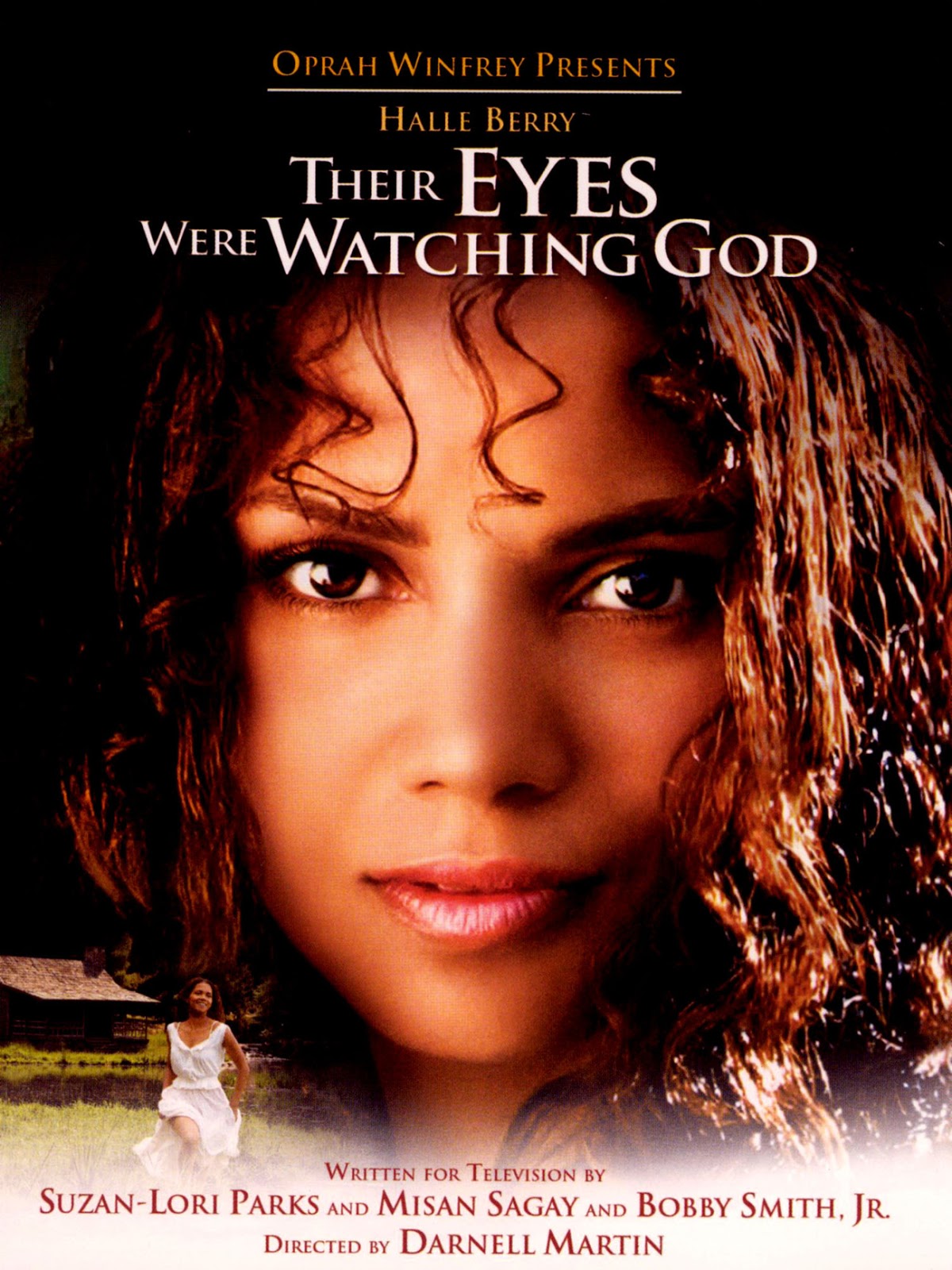
26. Their Eyes Were Watching God by Darnell Martin


25. Treeless Mountain by So Yong Kim


24. Eve’s Bayou by Kasi Lemmons


23. Ayiti Mon Amour by Guetty Felin


22. I Will Follow by Ava DuVernay


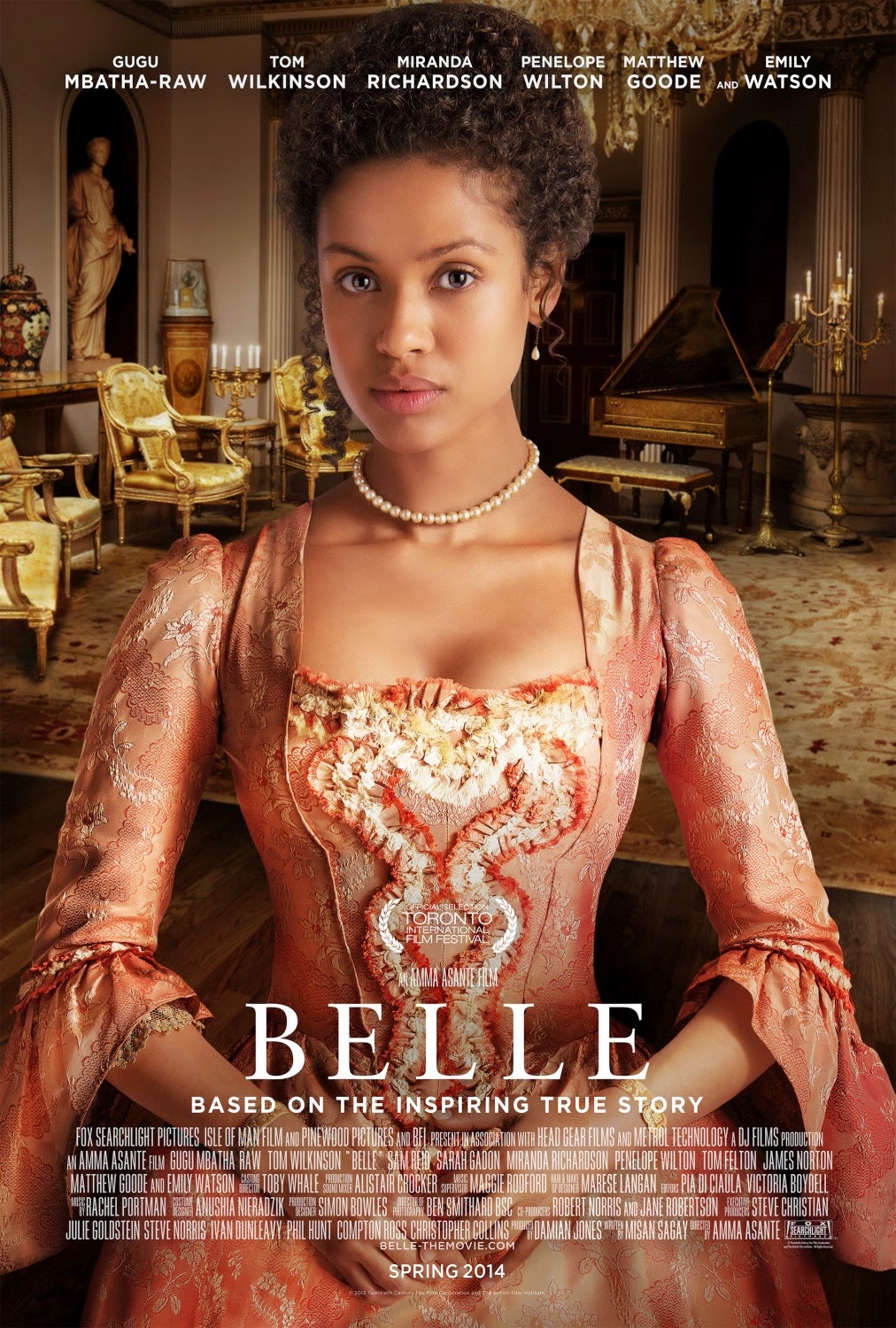
21. Belle by Amma Asante


20. In Between Days by So Yong Kim


19. Rafiki by Wanuri Kahiu


18. Long Life, Happiness, and Prosperity by Mina Shum


17. Bend it Like Beckham by Gurinder Chadha


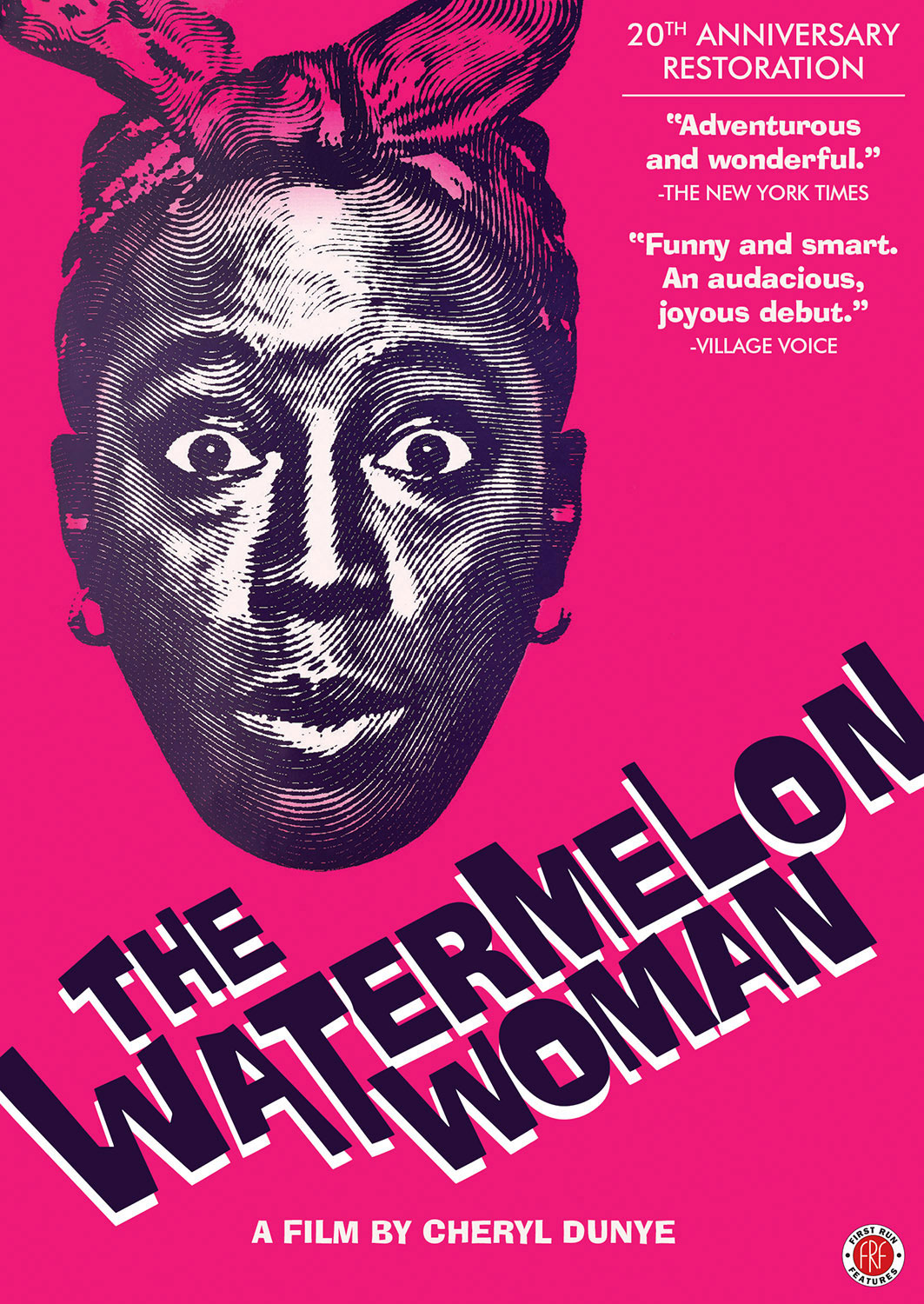
16. The Watermelon Woman by Cheryl Dunye


15. I Like It Like That by Darnell Martin


14. Mississippi Damned by Tina Mabry


13. Real Women Have Curves by Patricia Cardoso


12. Queen of Katwe by Mira Nair


11. Selma by Ava DuVernay


10. The Rider by Chloé Zhao


9. Losing Ground by Kathleen Collins


8. Monsoon Wedding by Mira Nair


7. Love and Basketball by Gina Prince-Blythewood


6. Double Happiness by Mina Shum


5. Down on the Delta by Maya Angelou


4. Pariah by Dee Rees

3. I Am Not a Witch by Rungano Nyoni


2. Middle of Nowhere by Ava DuVernay


1. Daughters of the Dust by Julie Dash


Saturday, January 6, 2018

'Mudbound' Is The Most Important Film Release of 2017

Mudbound film poster.

Some films are good. Some films are terrific. Only few will tug at a person's innermost emotions and grip them in its strong, riveting chokehold like a tough, combative wrestler by very end. And Mudbound is that nitty, gritty fighter film that ignites countless thought.
An intense American historical drama entailing egregious societal infrastructure set in stone for black and white residents of the deep South, Mudbound is a real solid game changer for a Netflix feature. Writer/director/producer, Dee Rees addresses-- with such vital clarity-- this racially fueled class system that has established a gross power imbalance since colonialism and slavery upset the natural selection of the whole entire world, leaving behind a great generational devastation.

For starters, raised by Pappy, a vulgar racist father, Jamie and Henry McAllan are brothers who couldn't be any more different from one another. While younger Jamie is bright, reckless, and charismatic, older Henry is a practical and spineless simpleton. Metaphorically throughout the film, the analogy is crystal clear-- Jamie represents dawning of a needed crucial change-- accepting others regardless of race, status, and creed whereas Henry holds on tightly to white privilege like a stern, stubborn mule, his father's son without crass indecency.

Henry marries a spoiled socialite, Laura and they have two children. Henry, who imposes his male dominance over Laura, makes the decision to waste their money on farmland down in Mississippi, and Laura, who absolutely detests the move, has no authority on the matter. Jamie is fighting on European soil, dropping bombs from the sky, bearing witness to the ugly, violent sides of war. The accumulation of medals and honors do not diminish mental and emotional trauma. Jamie returns to America scarred and hurting, using drinking as a consolatory outlet for his pain.

In Mississippi, the Jackson family are humble brood, led by Hap, a preacher with a passionate, authoritative voice in the church and Florence, a loving, devoted mother who would do anything to break the psychological cycle of a mother she barely knew. Ronsel, their eldest son, goes off to become a soldier, thrown into the same fiery ring as Jamie, but is treated like an equal.

The McAllan's and the Jackson's intersect on this gorgeous piece of muddy land with promises of becoming more than what anyone has ever dreamed. However, the power balance is established the moment Henry rudely interrupts the Jackson's dinner, forcing the master and slave relationship to take repulsive shape, eventually threatening to rupture the mesmerizing strength of Hap and Florence. It is quite fascinating to address the differences between how Henry treats Laura and how Hap sees Florence. Henry and Laura are a union of comfort, a product of society privilege. When it comes to Jamie, Laura comes to life, having bitten the taste of forbidden passion, that real intense ardor that of course, Pappy can see. In Hap and Florence's case, the love and tenderness is a sweet dosed prescription of strong, foundational black romance. Hap sees Florence as an equal, a queen and he respects her.

Under the wary, watchful eyes of town, Jamie and Ronsel return from war, changed, eventually forming an intriguing bond.  

Jamie (Garrett Hedlund) befriends Ronsel (Jason Mitchell) despite the turmoil of white and black mingling beyond silent acknowledgement.
"Have you ever been with a white woman?" Jamie asks Ronsel.

Ronsel smiles with pride, jogs around the answer before diving into the nitty gritty affirmative, then later adding:

"We had to show them who we were."

Ronsel's words about proving his humanity to white women (aka sexually) is a startling revelation about black people's desire to be on equal footing with their oppressor. Since his return, he wishes to make the white men see him as a man, especially considering that he fought on their side during war. European white women had freely dallied with Ronsel and his black cavalry, that is after these men proved their fetishist worth, why doesn't the white men show such appreciative kindness, respect even?

In another power trip, after learning what Florence (Mary J. Blige) can do, spoiled Laura (Carey Mulligan) demands the woman to work for her on a permanent basis.
This mirrors Laura's interpretation of Florence. When Henry fetches the woman to cure his daughters' whooping coughs, Laura doesn't warm up to the idea at first, until she realizes that Florence is indeed useful. Without asking Florence herself, Laura demands that the woman "help" her with the children. Reluctantly, Florence agrees, breaking her own inner promise, sadly repeating the life of her mother.

Henry (Jason Clarke) once again requesting help from Hap (Rob Morgan).
Mudbound is rich, concise, layered complexity. The cast operates like a well oiled machine, perfecting their individual parts with brilliant tenacity, grace, and harrowing conviction. Their gritty Southern twanged voice overs, like vital, melodic poems recited at the podium, are painful, dispirited, joyous stories of strife and happiness, of wanting and valuing change, of simple desires. The watchers must snap fingers and cheer collectively at these performances. Mary J. Blige is utterly wonderful as Florence, valiant, soft, and encouraging, with her expressive facial expressions, vocal ability to being a compassionate wife to a broken mother. Carey Mulligan also holds her own as a privileged woman torn by social duty and captivating passion for things that she cannot have. Jason Mitchell is great at portraying Ronsel's struggles with coming back to a town that doesn't deserve his allegiance-- the ending alone ensures a huge sob fest. Plus Kennedy Derosin plays Lilly May Jackson, the young daughter of Hap and Florence, aspiring to become a stenographer. In one scene, she stands her ground against her laughing brothers who don't believe black people can step out of their station. Florence sternly tells him that Lilly May can become anything she wants to be. That smile shared between mother and daughter as well as the scene of Lilly May reading stenography books are beautiful touches about chasing dreams and receiving the treasure of female support. On Film Comment, Rees explains why she choose this path as opposed to Hillary Jordan's original writing.  

"My grandmother grew up in the small town of Ferriday in Louisiana,” said Rees. “She was born in 1925, and she’d talk about riding on her mother’s cotton sack. They owned their land, but they farmed it, and her parents cultivated cotton. She decided early on that she didn’t want to do that, nor did she want to be a domestic. She said she wanted to be a stenographer, so that was a touch I added in the film, when the Jacksons’ daughter declares her career ambition. In [Hillary Jordan’s] book, she can sing, but I didn’t want it to be the typical ‘little black girl can sing’ thing. I found it more interesting that she had this other ambition.”

Dee Rees for The Undefeated. Photo by Khoolod Mid.
Everyone and their grandparents should watch Mudbound. Yes, it would have been epic to see this in theaters, to witness this resoundingly important piece be on the giant big screen. Still, it's humbling to be at home, to not pause this history, to let every bit of the McAllans and the Jacksons steal eyes and ears. Don't let the Netflix factor fool you or anyone else into believing that this isn't a worthy accomplishment of integrity nestled between the acting, the cinematography, music, and all.

Tuesday, September 5, 2017

Revisiting 'Pariah,' A Must See That Transcends Time

Pariah film poster.
Still, some years later, I find myself returning to something amazingly profound, a work that comes back, hugging close like an old friend.

Pariah is an astounding, vibrant piece of finely weaved storytelling with thoughtfully spoken artistry. This independent film centers on Brooklyn high school teen, Alike (pronounced ah-lik-e) an exceptionally good student and aspiring poet from a hard working middle class family. In her underground world, the shy girl hangs out with bold, outspoken, Laura, who has already proudly come out and lives with her sister.

Alike, however, is much too afraid of such honesty and chooses to entrap herself with dual identities- switching from hood gear to chic fashion, she is trying to do right by parents, Arthur and Audrey, but it's her little sister, Sharonda that begins suspecting the truth first.

Laura (Pernell Walker) and Alike (Adepero Oduye) test out a certain kind of package.

Filled with hilarity, wit, and compassion, viewers follow Alike’s course of adolescence as she tries unsuccessfully talking to women, tests out her first strap on with Laurie’s aide, writes poetry in a colorful composition notebook, and privately shares her talents with the encouraging English teacher.

All the while Audrey is desperate to make Alike appear more feminine and attractive to boys and wishing Alike to stop hanging around Laura, someone she clearly detests. Yet Arthur turns a blind eye, seeming not to give a care about his overbearing wife’s feelings and accepts Alike "flaws" and all.

Mother and daughter Aubrey (Kim Wayans) and Alike (Adepero Oduye) don't see eye to eye.
Fed up with Laura, an interfering Audrey wants Alike to be friends with "normal" girl, Bina. But unbeknownst to Audrey, Bina shows the kind of interest in Alike that would have had her head spinning. A smart, intelligent, and worldly artistic individual, she shares a lot of compelling ideas and music with Alike, striking up a friendship that soon blossoms into a refreshing first love.

Spending time at clubs and critiquing each others writings, things were so blissful.

However, her immediate discarding of their relationship the morning after was quite detrimental and heartbreaking.

Alike breaks down, guttural and hurt by the strange 180, but sadly has no one to tell and transforms that anguish into poetry.
Bina (Aasha Davis) shows Alike (Adepero Oduye) mixed signals.

Once Alike finally confesses to her parents, hell breaks loose tenfold.

In the very turbulent scene, Sharonda pleas with Alike not to get in between the battle of their parents who are loudly arguing about her sexual orientation, but valiant Alike bravely wages on and puts up with an emotionally distressed Audrey who then verbally attacks and violently beats her revulsion into Alike.

After that climatic horror, things change.

With a condoning mother seeing lesbianism as a treacherous disease deemed unlovable, Arthur is the exact opposite. A man harboring his own secrets, he seemed to have always known that Alike was a unique case. Not due to her escalating intelligence and her disdain for pretty clothing. Their relationship is much closer and because of this, it makes his understanding of Alike’s lifestyle believable.

In Laura’s own story, she also has a mother disgusted by her choices. Looking disgusted, she makes no move to be affectionate and slams the door in Laura’s face even as Laura expresses joy over passing the GED. This makes her friendship to Alike all the more genuine. Their mothers' intolerance for their lifestyle is another common factor.

Though she is an active flirt and very popular with the ladies, it’s perfectly clear that Laurie needs constant companionship and love and once she sees Alike having fun with Bina, her jealousy comes clawing out. 

A worthy note of mention, Dee Rees has done an exceptional job of not only showcasing strong female relationships, but also revealing the blunt shift that occurs when weakened and severed, especially the natural bond of a mother and daughter.

Alike (Adepero Oduye) knows the world is her oyster.

Adepero Oduye’s portrayal is touching, riveting, and beautiful as she plays a character struggling with the great divide, breaks free from timidity, and falls in love. Breathing sophisticated complexion into Alike, Oduye is divine poetry in motion, expelling words articulately and with tenderly, perfected bravado. From the moment she tearfully tells her mother she loves her and that end scene on the bus, Oduye showcases Alike’s proud acceptance into a promising future that only she can control.

Now this is the kind of African American role that the Academy is deadest against honoring. A woman who doesn’t allow herself to repressed by negativity and has the strength to move forward to better opportunities with talent driving her. To the conservative viewer- it’s crucial. Not only is this young African American woman smart and gifted, she happens to be gay.

Definitely robbed of an Oscar nod, here's hoping that Oduye nabs another pivotal role that garners attention from the snubbing Hollywood elite.

The rest of the cast played their parts commendably, especially the incredible Kim Wayans, a famed comedian utterly unrecognizable in a very dramatic role. The polar opposite of Monique's character in Precious, Wayans was marvelous as the cruelly ashamed, Bible clinging mother.

In terms of story holes, Pariah does have its little flaws.

Alike delivers two powerful poems like a heavenly prophet. Thirsting for more, especially with Bina making suggestions to open mic nights and poetry clubs, there was an expectancy to seeing Alike come further out of her shell and share her gifts to an audience that actually wants to hear fresh talent onstage.

Alas no such scenes came into play.

What of Laura and Alike's relationship?

Do they come together as a couple and bond even further?

What secrets was Arthur keeping under tabs?

A scene of him on the phone and then changing into a silk black shirt while chatting to Alike seemed oddly questionable. With them being so close, one imagined that he would voice his affair to Alike.

Now if it were with another man, Audrey would never be the same...


Pariah's writer/director Dee Rees with stars Kim Wayans and Adepero Oduye.

I greatly appreciate the woman’s voice and their courage to tell such a profound story. Hoping that Dee Rees continues on the path of enlightening women and minorities to come forth and share their creative vision, bring their enriching narratives to independent screens and beyond. Let the age old statistics of white men being sole judge and victor be a thing of the past.

It's been high time for segregation in the film honor system to be buried. 

Women have more than breasts to bare, they have vocal hearts and fervent souls to unleash and set free.

Pariah passionately illustrates that though the uncertain future can be filled with failures, heartbreak, and disappointments, there are rewards despite the ugly, gritty turmoil that comes and goes.

That wherein lies life's bittersweet poetry.

*This post, although edited, first appeared here and was cross posted here.