Sunday, October 24, 2021

Top Ten ‘Insecure’ Characters

How did the girls (Natasha Rothwell’s Kelli, Yvonne Orji’s Molly, and Issa Rae’s Issa) rank in the femfilmrogues top 10 Insecure characters?

Today is the big day. 

The fifth and final season of one of the best shows on television ends its run— the award-winning, highly melanated Insecure on HBO. We have seen pretty major events— cheating with crushes, various breakups, steamy hookups, ups and downs of career ambitions, and blow out public fights between besties. 

After four beautiful years learning about the Black side of Los Angeles from the mostly Inglewood based perspective, this is a personal list on the irresistible characters worth cherishing. Although some came for a season or two, they delivered a memorable impact that must be noted here. 

Molly (Yvonne Orji) has some redeeming qualities. 

10. Molly is a kick butt lawyer who always fumble relationship bags— Jared, Lionel, Andrew, and even two men from the premiere The League dating pool. From season one to season three, however, in her most imperative relationship, Molly was there for Issa through a tough breakup, donating money and time to We Got Y’all functions, hosting a special Moroccan dinner (season two’s Hella Perspective highlight), birthday hangout at The Last Dragon screening, and of course self care Sunday’s. She could always plan a top notch event. Yet she could come off catty and mean spirited, made assumptions, prioritized herself over others, held grudges, had that whole nasty situationship with Dro, and did not apologize first. 

Sometimes Derek (Wade Allain-Marcus) makes his minutes on screen quite memorable.

9.  Derek is a quiet, humble, successful husband to Tiffany. The love demonstrated in the season four finale really showcased that he was beyond the rich apple to his wife’s eye. He truly cared about her emotional and mental health, going well above and beyond to find her which differed from the pathetic police actions in the show within a show Looking For Latoya. Derek can also give good solid advice, especially to Lawrence who needs an active male listener and active feedback giver in his messy life. Still, while Derek calls out the BS how he sees fit, the words he said about being a girl dad as his daughter laid sleeping were disturbing on many levels. 

Chad (Neil Brown Jr.) adds raunchy delight or a highly enthusiastic shade via beverage intake.

8. Chad breathes random adult humor and loud slurpy sounds into awkward conversations. Often considered the male companion to Kelli, Chad is the one to have a good time with, to conduct your baddest behavior damn the consequences. Crude, obnoxious, and juice crazy, Leah’s fiancé (and we’re still waiting to see the mysterious Leah) is a real hoot— although at times misogynistic. He can be serious for just a real hot moment before skirting back to mischievous intentions. Still, where would Lawrence be without his uncouth best friend, Chad? 

Like Tasha (Dominique Perry), so many of us wasted precious moments on those unworthy of our time, our bodies, our hearts. We give and give and expect and expect only to be let down in the end.

7. Tasha was the saucy bank teller who crushed massively hard on the man depositing unemployment checks and false promises into her station. Yes, she came up to Lawrence’s job hoping for more than batteries and a hot sauce partner to share the lunch hour. When she finally received released tension, she felt comfortable enough to be herself despite primarily being a weekend girl. Yet she kept forgiving Lawrence for his misgivings including cheating on her, but the last straw was ditching her at the family BBQ without saying a damn thing. Downright disrespectful. Tasha deserved far better than the F Buddy status Lawrence wanted. 

Rasheeda (Gail Bean) stayed true to herself much to the dissatisfaction of her fellow employees.

6. Rasheeda aka DaDa refused to code switch it up at the white law firm— even heeding Molly’s advice to be less loud and pretty much be quiet— under the radar. Although the bosses generally liked Rasheeda’s a brash, outgoing personality in the interview, she was too much for them at the workplace daily. Makes one wonder if Rasheeda would benefit at the Black law firm that Molly works at now— maybe Molly can put in a recommendation someday. 

Team Daniel (Y’lan Noel) for a win in another lifetime.

5. Daniel— the scorching hot producer and Issa’s former classmate who encouraged her musical talents—was definitely the one who got away in Issa’s love life. He understood Issa much better than most in her intimate circle and supported her when she needed him. Sure he did the most (showing up at her job and an event hosted by her job), he did let her stay at his place when she had nowhere to go (or so she says— sis could have chosen several spaces). Just as they were getting closer and mixed message signal shooting Issa confused him for the last time, Daniel’s out of pocket behavior in Backwards Like, season three’s third episode put a nail on the king’s coffin. However, still think about what it would have been if Issa had reached out to him to help her with the Block Party instead of going over Molly’s head for Andrew—a man she barely knew. 
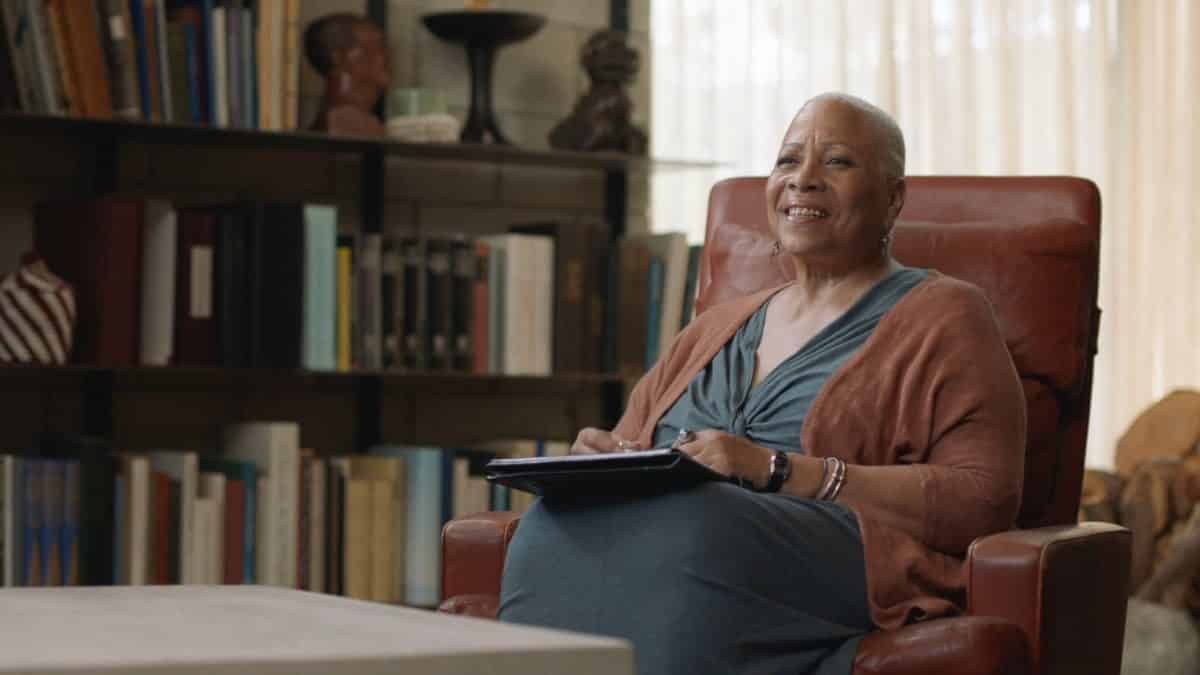
Dr. Rhonda (Denise Dowse) is the medicine Molly needs in her otherwise chaotic life.

4. Dr. Rhonda kept it one hundred with Molly— something a lot of people aren’t brave enough to do. The “shoulda, coulda, woulda” bogs many hopes for the future. For someone like goal oriented Molly originally hoping for a marriage similar to her parents, Dr. Rhonda easily burst that bubble, advising Molly to live in the moment and not rush to check all the boxes. 

Jared (Langston Kerman) didn’t go to college, but that didn’t mean he wasn’t as smart, confident, and talented as those who did. 

3. Jared was an incredibly layered character that knew what he wanted. Sure a certain ill-humored song performed on open mic night had the Enterprise employed brother flaking (not Molly’s fault), he eventually came back because she interested him. He managed to impress her bourgeois friends at a house party and sweet talked her into an utterly romantic first kiss near a car outside. Eventually sidelined for more sophisticated men, Jared’s patience was tested again and again as fickle Molly continued stringing him along as a potential boyfriend then friend then lover. Although it was unforgettable to have no errands to run after sharing Cookie Crisp cereal, they could not work out due to Jared’s exploration of his sexuality— not Molly’s (who too did some experimentation), just Jared’s. 

Issa (Issa Rae) took a while to find her worth. 

2. Issa was a mess hotter than those flaming red Cheetos. Yet she related on many ways, especially to those who do work mostly white nonprofit organizations that expect minorities to perform better than the average. The first episode contained a heavy, triggering moment— the kids mocking her hair, her accent, her style— this all hit home. Eventually those same kids grew to love Issa because she showed them the benefits in their neighborhood, aspired them to see beyond the typical Black stereotypes (that her own ingrained coworkers saw them as). Relationship wise— Issa stayed with Lawrence longer than she should have, treated Daniel poorly, took Nathan’s “ghosting” inappropriately, and did not listen to Molly’s warning about Condola. Issa does use people to her own needs. However, she takes initiative, builds up her community, and stays focused on bettering herself. 

Cheers to Kelli (Natasha Rothwell), everyone’s number one and most should have her own show in the future. 

1. Kelli is the most dynamic and hands down the most fascinating. She’s the coolest girl in the circle, another bank girl who knows her worth (like eventually Tasha), the one who can crack a spitfire joke and tell you all about yourself in an honestly frank manner. At the same time, Kelli has her vulnerabilities, her moments that tell the audience that she is not only valuable for a personal laugh track. When Kelli and bestie Tiffany were having problems way before Tiffany’s baby arrived, Kelli’s heart was ripped to pieces watching Tiffany surround herself with uppity, fake socialites. In the end, Kelli was there for Tiffany, being a considerable help in Derek’s search and taking care of their baby. She also advises Issa and Molly time to time on their BS. Plus Kelli’s sharp, witty tongue going head to head with Issa’s hilariously shady brother Ahmal (another top notch character) is often brilliant must-see-comedy. 


Thursday, October 21, 2021

‘tender’ is good vibes heightened by sweet music and moody sets

tender film poster. 

Queen Sugar and Grey’s Anatomy story editor and staff writer Felicia Pride has an amazing short film called tender. The fifteen minute piece focuses on two women at different stages of their lives— the professional Kiana tied to a job for fifteen years and the hipster Lulu looking for her future to land. The twosome explore a poignant morning intimacy around the most beautiful set design and gentle music composition— tying everything together in a neat, bonafide rhythm. 

First, Asha Santée (the musician to all featured songs) plays a subtly soft melody in the background as Kiana inspects herself in a stranger’s bathroom mirror, believing that she made a huge mistake in spending the night. Leafy green plants are everywhere, suggesting the space of a nature lover, an herbalist maybe. Lulu knocks just to insure that her guest hasn’t fallen in the toilet. When Kiana emerges, the world is no longer a clean, isolated location slightly raised up. She is in the realm of Lulu’s carefully curated realm. 

Kiana (Farelle Walker) leaning on the wall, drinking coffee in Lulu’s stylish studio apartment.

Kiana (Farelle Walker) and Lulu (Trishauna Clark) on opposite ends of the spectrum. Noticeably Kiana often nervously looks away and Lulu looks head on confidently. 

While sipping a cup of real fine coffee, Kiana stands around in her heels and jacket, visibly eager to leave an impressionable environment that features a gorgeous painting of a Black woman, giant rug, random books on both side table and coffee table, records in a crate (such a thrifty style), and draping patterned fabrics that do not match but seem to be appropriately right for this majestic space. It feels warm, inviting, lived in. This thoughtful design showcases a person with eclectic taste, someone interested in many things, one’s hand in many pots. Lulu— the owner of this world— is lazed about in her darling red socks and athletic shorts, well posed among her artful arrangement, teasing Kiana throughout this early day. This space is hers and she adores welcoming certain people into it.
And Kiana is a lucky one. 

Kiana (Farelle Walker) is getting comfortable. 

The earthy tones 
glow around Kiana— woven baskets, pillows, candles, and more books to welcome the hesitant woman who finally decides to remove her jacket. She suddenly feels more at home at Lulu’s, beginning to unwind and open up on another level that a typical one night stand usually doesn’t call for. 

Conversation further opens over a glaze of hazy smoke, peeling back layers. They each have wisdom to offer the other— food for thought. Kiana freely shares her life’s regrets and fears for the future including the long, bubbled scar on her abdomen that symbolizes a physically closed door. Lulu—utterly attentive and charming, staring at Kiana with profound generosity in her gaze— reveals an old desire to become an actress. After she convincingly recites a moving monologue, it makes no sense that an ex destroyed a dream. She is truly talented, raw in the craft. 

And to Kiana— Lulu still has the time to follow her heart.  

Lulu (Trishauna Clark) lighting up for good measure. 


A double winner at the Blackstar Film Festival for the Lionsgate/STARZ Producer and Short Film Award, tender is a lovely film that has its art sewn in the compelling visual optics and the musical notes telling a sweet story about falling in love— the slow, simmered kind. Ludovica Isidori’s cinematography captures the spirit of Felicia Pride’s metaphor filled screenplay and direction. The set design is simply a stunning framework to behold as the two incredible leads Farelle Walker and Trishauna Clark bring Kiana and Lulu to contemporary life. 


Sunday, October 10, 2021

Queerly Beautiful “Pure” Disrupts Black Cotillion Tradition


Pure film poster.

The Black cotillion aesthetic is gaining explorative steam in various art forms: Jacqueline Woodson’s Red At the Bone novel employs past and present weaved with the events of the Oklahoma massacre during Melody’s introduction to Black societal perfection. The California African American Museum’s recent exhibition Rights and Rituals: The Making of African American Debutante Culture discusses the history behind ensuring that young Black girls were not torn between mammy and Jezebel stereotypes. Yet armed with a fresh faced cast and Khalea Ross Robinson’s picturesque cinematography, writer/director Natalie Jasmine Harris’s exceptional debut Pure daringly shifts a straight arrow legacy into the postmodern queer territory era, letting its main character—a gorgeous dark skinned Black girl named Celeste— own her destiny in this exceptionally brave short film. 


Amir (Jacob Daniel Smith) and Celeste (Mikayla Lashae Bartholomew) know how to have fun striking a pose. 

In the practice dance, quiet, intelligent Celeste (excellently portrayed by newcomer Mikayla Lashae Bartholomew) is escorted by Amir (Jacob Daniel Smith), her best friend. While all the girls embrace their purposely razor straightened hair, she seems to be the one who secretly wants her ancestor’s dreams preferred. Septum pierced Amir turns out to be of the LGBTQIA+ variety— i.e. kindly similar to Melody’s best friend Malcolm in Red At The Bone— and Celeste too has one leg dangling out the closet, questioning the plight of budding, hormonal desires that overshadow the piety that debutantes must possess. Although not the typical social butterfly, a slight shyness shrouds Celeste like a warm coat. She is invited to a house party by Joy (a fellow debutante played by Josca Moore) and attends with Amir, her eyelids popping with the magical glitter that rivals a lightning bug’s iridescence. 

Debutante Jamia Glenn being escorted through a gilded oval frame at the Pasadena Alumni Chapter of Delta Sigma Theta Sorority in the Golden State Room at the Statler Hilton Hotel, Los Angeles, May 1964, reproduction of a Harry Adams photographic print. 

African American woman, head and shoulders portrait, ca. 1899-1900, reproduction of a silver gelatin print, courtesy of Library of Congress, Prints and Photographs Division. 

Rights and Rituals: The Making of African American Debutante Culture layout and space.

Ethel Thomas designed the cotillion dress worn by Anne Bradford Luke, fall 1952, courtesy of Anne Bradford Luke. Estelle Williams designed Deborah Beavers-Watford, 1967, courtesy of Deborah Beavers-Watford. A cotillion dress worn by and courtesy of Denise Burnett, 2019. 

Couples dance at the Los Angeles Links Ball, November 1964, reproduction of a Harry Adams  photographic print. 

While Rights and Rituals: The Making of African American Debutante Culture nods to the pioneers Fannie Barrier Williams (co-founder of the National Association of Colored Women NACW) and W. E. B. DuBois— earlier advocates for Black women who are unfairly discriminated and educationally behind the rest. The pictures, the videos, and the audio disclose the classic debutante tradition— the perfect postured Black girl wearing gorgeous white ball gowns and long satin gloves, straightened hair, the father/daughter dance, the male chaperones— the young girls only dance with men, fathers or father figures and young men who may be potential husbands. The exhibition reveals the Cinderella story that grooms girls for lives sequestered in grace and piety, positioning high enough in society, maintaining a certain sophisticated air.

Well, this is 2021. Young Black girls don’t have to follow these stern rules anymore.

Twice Celeste dances with Joy. The first dance is outside the strict, stuffy ballroom, at Joy’s house party with charged, pulsing energy from both the pumping music and Celeste’s uncertainty. Plus, this less judgmental audience presents no real fear, no hesitance to just be. Yet Celeste’s uncertainty must be riddled in debutante conviction, the need to please an invisible someone, an invisible moral code. After the intense moment of Joy sensually pressing Celeste, each provocative movement slow and teasing, the undeniable heat between them leads to an authentic, consensually shared pleasure— their first kiss a secret to the audience. In that incredible, jaw-dropping second dance, the one where Celeste leads and Joy follows right in front of critical eyes. They all seem to fade away, any enraged anger, any shocking disappointment, goes to dust. There is no “don’t do this here” or the running from truth. Celeste and Joy dance together freely, smiling and laughing, fondly choosing each other, breaking an old historical notion. 

Celeste (Mikayla Lashae Bartholomew) is ready for her closeup. 

Pure is an eloquent reminder that Black women are the greatest masters of telling narratives about Black women experiences— that they are the best fits to telling humanistic stories that fulfill a specific need in the films being made today. In its compelling honesty, Celeste has that same strength similar to Kai, the dance hopeful in Miss Juneteenth, who wants to break out of family tradition and individualize herself from family duty or Selah from Selah and the Spades who would do anything to win or Summer from Jinn who fights under the wings of religion. Celeste is a phenomenal part of this enriched movement, a championing movement that allows Black girls to value their power, to be a voice of reason to themselves and the others around them. Uniquely still, Celeste is the bold, self-assured Black girl who confidently wears a gay pride t-shirt, rides her bike in a cotillion ball gown, and asks her lover to dance.

Celeste joins a range of intriguing Black girls in film: Jinn’s Summer and Miss Juneteenth’s Kai (top), Pariah’s Alike and Selah and the Spades’ Selah (middle), Pure’s Celeste and Rafiki’s Ziki and Kena (bottom).

Behind Dee Rees and Wanuri Kahiu, Natalie Jasmine Harris also has a key queer story worth sharing in the Black women loving Black women rarity. 

In Pariah—the recently added Criterion Collection gem celebrating its ten year anniversary— and the critically acclaimed Kenyan Rafiki, there is a special fire in seeing queer Black women stand up for themselves, make clear that they are not heteronormative in the face of strict, sanctimonious principles and community validation. The most wonderful thing about Pure is that the short doesn’t employ the violence that happens to the Black woman for expressing her sexuality and the hope rests fully in the recently announced full-length version. Another hope is that the stars are able to return— Mikayla Lashae Bartholomew is an utterly charming star force on screen and her charismatic chemistry with humorously engaging Jacob Daniel Smith and the sharp Josca Moore make the film pleasingly believable. The dying Hollywood industry needs fresh, bold faces and exciting new stories in this remake era. Black women desperately crave seeing themselves tenderly depicted, leading rich, layered inclusive cinema especially in terms of identity— monoracial identity has been severely lacking.

Joy (Josca Moore) makes her interest in Celeste (Mikayla Lashae Bartholomew) quite clear on the darkly lit dance floor. 

Pure, a soft, gentle promise of an evolving Black queer film future, is told brilliantly by Harris, the DGA prize winner for Best East Coast African American Student Filmmaker. A burgeoning filmmaker slowly rising on the scene having also won the 2021 Gotham Projects Lab and the 2021 Outfest Screenwriting Lab, Harris is definitely the one to watch. She has a few other treats up her producing sleeve— for starters the first Black queer short for filmmaker Terrance Hayes called “Pritty: The Animation.” Thus, we should all look forward to anything with her name attached.

Celeste (Mikayla Lashae Bartholomew) riding her bike in full debutante attire. 

The lovely, poignant Pure is currently playing alongside some other incredible shorts at the Neon Movies in Dayton, Ohio in the Top Shorts program on October 11, 2021, 7:30pm and has other upcoming live/virtual dates all over the globe here.


Tuesday, January 19, 2021

‘Miss Juneteenth’ Paints an Impactful Tale of Phenomenal Women Onscreen and Off


Miss Juneteenth film poster. 

Strangled, crushed dreams are often the reality of American life, especially Black American life. They can work forever and ever and still not accomplish what they most desire. 


In a time of too many redundant Hollywood remakes and revisits, Miss Juneteenth is a satisfying original story desperately needed in all the theaters right now. It combines the beauty pageant arena and the history of June 19th— the day the last remaining slaves in Texas were set free years later— in a sweet, hearty serving, a unique structural setup weaving its way into a fascinating contemporary story about love, hardship, and triumph. 


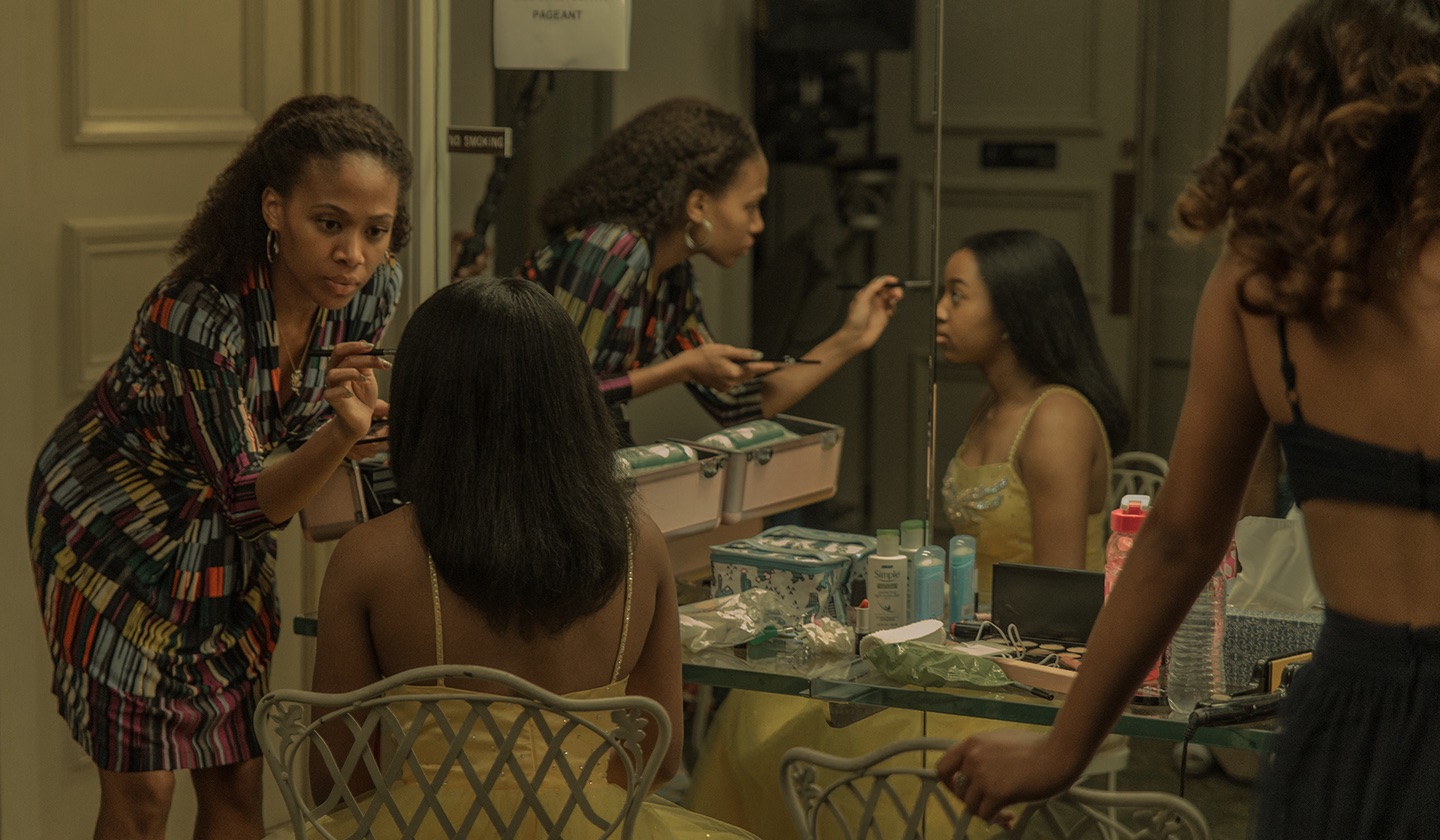
Turquoise (Nicole Beharie) and Ronnie (Kendrick Sampson) are an estranged couple coming back and forth tied by history, mostly their fourteen-going-on-fifteen-year-old daughter, Kai. 

Turquoise Jones, a former Miss Juneteenth beauty queen, is surrounded by failure. The hardworking former stripper manages Wayman’s BBQ, a bar/restaurant and is in/out of a complicated marriage with Ronnie, a car mechanic still chasing the unattainable like a fly trying to catch honey. Yet residual hope lie in Kai, their fourteen-year-old daughter— the testament of moving along her own inner inhibitions. As history repeats itself in a downward spiral, it is also a heavy burden to pressure a new generation into something most unwanted. 

Kai Marie Jones (Alexis Chikaeze) has big dreams of her own.


Kai, fixated by the exciting world of dance, is reluctant to follow in Turquoise’s footsteps. She faces her mother’s disapproval full on— disapproval of dancing and boyfriends (Turquoise rightly housing bad associations for both). The push and pull dynamic between Turquoise and Kai is a strong bond more loving and perhaps healthier than Turquoise and Pastor Charlotte, her sanctimonious, part-time alcoholic mother. There are charged moments that almost trigger Turquoise’s compulsive frustration like Charlotte. Turquoise is able to refrain and channel through calmly and rationally, concentrating only on the pageant, determined to break the generational cycle. 


Turquoise (Nicole Beharie) giving makeup and confidence boosting to Kai (Alexis Chikaeze). 


Turquoise often reflects on the day that should have started her life far away from Charlotte. In that cherished memory, she is a young, beautiful Miss Juneteenth winner, pageant waving in a soft yellow dress and the sparkling tiara. Unfortunately, she could not escape the tragedy that befalls Black girls— teen pregnancy and the severest fall from grace narrative. Black teen moms do not get the MTV coverage or news outlet media that celebrates them. Black teen moms can suffer in silence, working harder to provide for their families, doing things they never would have to in order to survive. Although she and Ronnie were in the early honeymoon phase of love then (and still trying to salvage something), early motherhood put college on the shelf. 


Many people encounter Turquoise in town, speaking on her squandered potential. 


Yet Turquoise sees Kai only as a blessing, the most important part of herself and she will do anything in her power to ensure that her daughter does not repeat certain mistakes. In Kai’s boyfriend, Turquoise sees Ronnie and in dancing, her old days as a stripper fresh after winning a beauty pageant.  


Miss Juneteenth pageant contestant Kai (Alexis Chikaeze) at the center of it all— in a significant yellow dress. 

Channing Godfrey Peoples’ impressive debut illustrates the validity of Black girls, their range and glory, their eclectic talents, their very existence with Maya Angelou’s famous poem, “Phenomenal Woman,” providing a commendable backbone. This brilliant script devises the perfect way to bring Turquoise and Kai together, glueing their family unit further together. Other positive women relationships include Turquoise and Betty Ray— her lovely, humorous co-worker and even pageant head, Mrs. Washington, Turquoise’s former mentor whose disappointment overshadows any lasting genuine affection. Turquoise cares for Charlotte, she takes steps back, always placing Kai ahead of anything else. Although pageant culture itself sets up the same faults as the ones absent of true inclusivity, between choosing the right silverware, correcting posture, straightening kinky hair, and cattiness of other girls and their parents/guardians/mentors, the pleasing factor is that the winner receives a full ride to a any Historical Black College/University of her choosing. 


Cast surrounded by writer/director: Nicole Beharie (Turquoise), director Channing Godfrey Peoples, Kendrick Sampson (Ronnie), and Alexis Chikaeze (Kai).

Miss Juneteenth leads by the multifaceted Nicole Beharie (American Violet, Shame, and 42). Her layered complexity as a past beauty queen and sacrificial mother overcoming an ugly past is rendered with raw ferocity and tenderness that only a gifted actress could inhibit. With hopefully more nominations and trophies to come, the long overdue Beharie has already won the Gotham Independent Award for Best Actress against current awards season favorite Frances McDormand. If not, it does not matter— her performance was a highlight in a turbulent year and that is enough for most. 


Texas born newcomer Alexis Chikaeze in her first major film role delivers astounding promise as the illustrious Kai Marie Jones— “Queen of Everything.” Her exquisitely crafted chemistry with Beharie makes the film all the more authentic and beautiful as though these two Black women were meant to partner together and create a believable mother/daughter dynamic. Meanwhile, Kendrick Sampson, having shown impressive range in How to Get Away With Murder and Insecure holds his own as a down-on-his-luck father grasping tightly onto his own bright, simple dreams that continue slipping through his hands, failing over and over to keep his family afloat as everyone in town ridicules him behind his back. He in himself is a familiar, heartbreaking tragedy played well by Sampson. 


Turquoise (Nicole Beharie) telling Kai (Alexis Chikaeze) the good news. 


It is great to see a film that takes passing the Bechdel Test to phenomenal heights and cinematography that lights Black characters with a purpose beyond just looking good. The warm, saturated color scheme coordinates alongside Rachel Dainer-Best’s costume design, Emily Rice’s music selection, Courtney Ware’s editing, Olivia Peebles’ production design, and of course Peoples at the forefront of a mostly phenomenal women crew. 


Miss Juneteenth is worth watching again and again, especially with close girlfriends and teenage girls seeking validation tied to an imperative history lesson. They may say “winning is not everything,” but sometimes while claiming or losing the victory prize, an even better, unexpected treasure comes instead.  


Saturday, January 16, 2021

Directed By Women Films To Watch During MLK Jr. Weekend


Scene from Sophia Nahli Allison’s award-winning A Love Song for Latasha.

Martin Luther King Jr. Day is the unofficial pre-kick off before Black History Month takes over February. Films such as Spike Lee’s Malcolm X, Four Little Girls, or Do The Right Thing or classics To Kill A Mockingbird and The Long Walk Home are always ranked high as the best watches for this weekend. Nowadays offensive titles like The Help and The Green Book are being added to the equation. 
Other suggestions focus heavily on the Black male point of view, on justice for Black men. 
Who better to highlight the Black girls and women’s own campaigns for fairness, for humanity than a Black woman behind the lens? Although Ava DuVernay’s Oscar winning Martin Luther King Jr. biopic Selma and Regina King’s One Night in Miami are primarily focused on Black male point of view, DuVernay and King are able to deliver nuanced perspectives thanks to their incredible direction of talented ensemble casts. 
Here are solid films (including a few tearjerkers) directed by Black women that either depict true historical moments with poignant touches of fiction, bringing light to figures advocating justice or those strangely simmering in the complicated thick of finding themselves drawn to both good and bad sides of societal life. These chosen works grapple with King Jr.’s themes in creative albeit challenging manifestations: benevolence, strength, grace, humility, and growth exploring our past, present, and future in a prejudiced world still saturated in pure, undying hatred. 

Selma film poster.

1. Selma directed by Ava DuVernay, 2014 (also When They See Us and 13th) 

Down on the Delta film poster.

2. Down on the Delta directed by Maya Angelou, 1998 

One Night in Miami film poster.

3. One Night in Miami directed by Regina King, 2020

Miss Juneteenth film poster.

4. Miss Juneteenth directed by Channing Godfrey Peoples, 2020

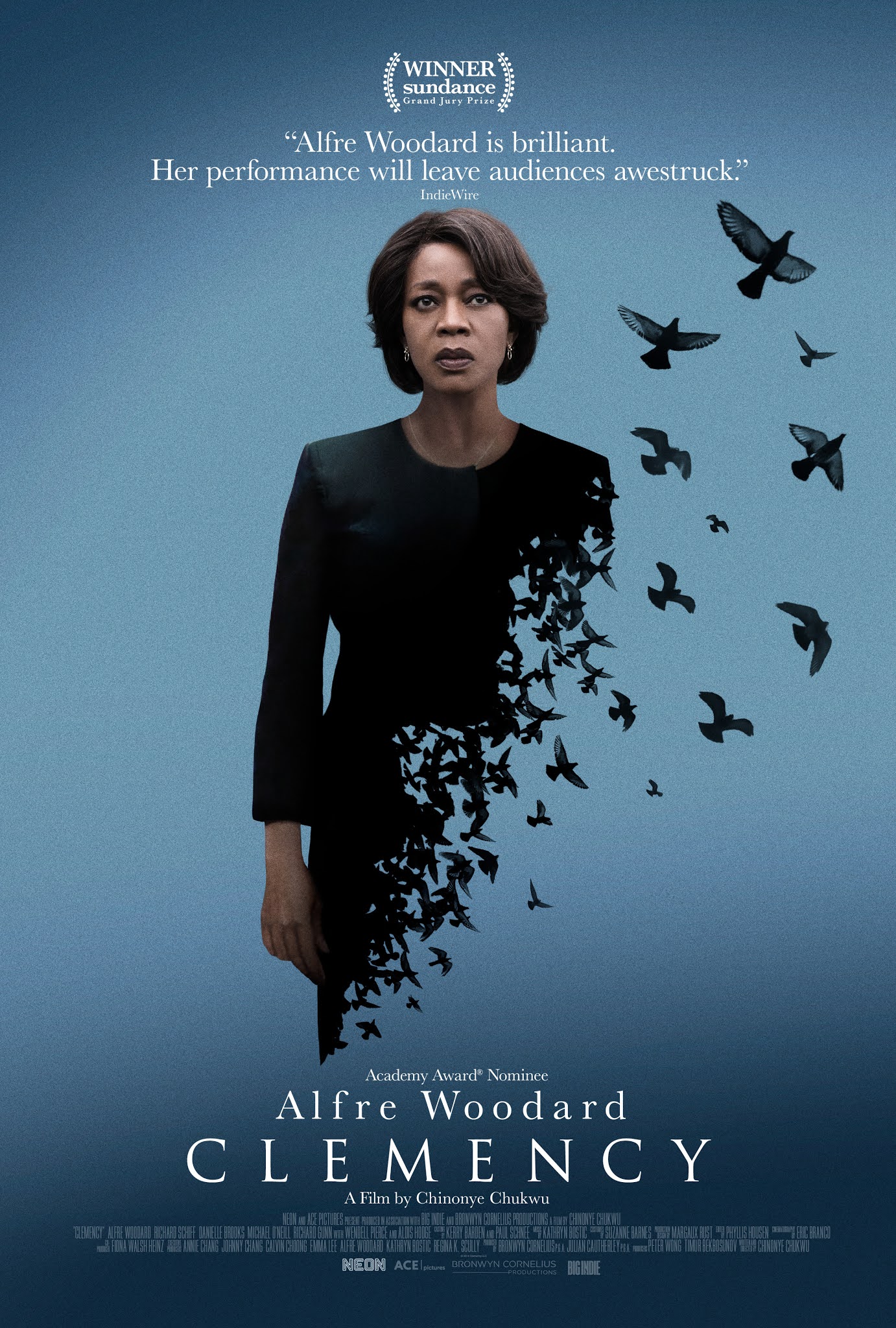
Clemency film poster. 

5. Clemency directed by Chinonye Chukwu, 2019

Ruby Bridges film poster.

6. Ruby Bridges directed by Euzhan Palcy, 1998

Night Catches Us film poster.

7. Night Catches Us directed by Tanya Hamilton, 2010 

The Rosa Parks Story DVD cover. 

8. The Rosa Parks Story directed by Julie Dash, 2002

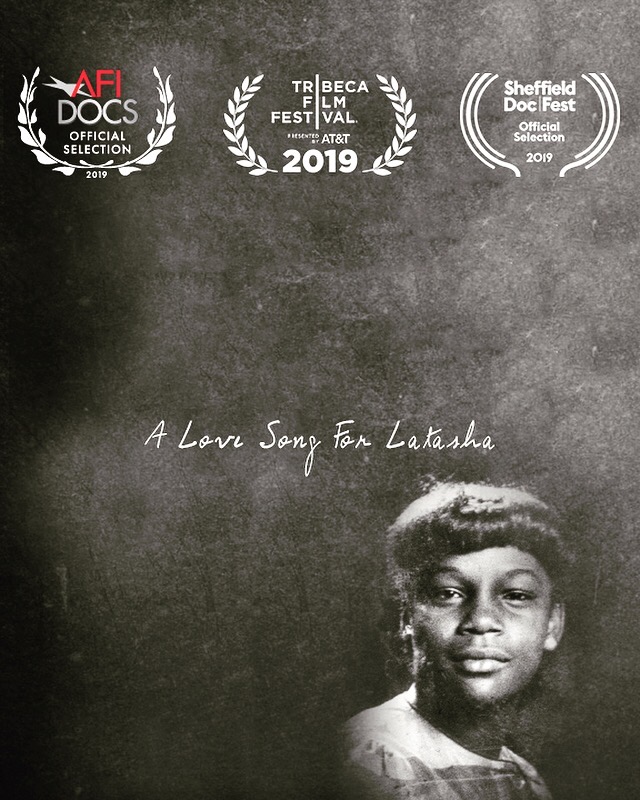
A Love Song for Latasha film poster.

9. A Love Song For Latasha directed by Sophia Nahli Allison, 2019


Tuesday, January 12, 2021

Happy Birthday, Issa Rae: Fem Film Rogue Icon Spotlight


On this day, a superstar was born at the right time to a Senegalese doctor father and a teacher mother, Jo-Issa Rae Diop known to the world as simply Issa Rae, a humorous actress, talented writer/producer/creator/New York Times Bestselling author, and avid supporter of Black voices. 

Rae, a Stanford grad took a huge bite of American pie, taking on the web with the terrific series The Misadventures of Awkward Black Girl. TMABG was a fresh, relatable view at the other side of Black girl life in a hilarious, vivid arena that television could not touch most likely due to its star and storytelling being unapologetically Black during a moment where such crucial stories were not always told by Black voices, let alone starred monoracial Black women. The big plus was the natural hair movement too— that a dark-skinned J had her big chop and didn’t look back. Essentially, J’s positive mirror reflections would soon migrate into award-winning television. 


Yes. Yes.


Years later, HBO granted Rae the reins to co-create Insecure, another vehicle to showcase her unique characters to a larger audience, showcasing the pitfalls of Black women who still did not have themselves completely together even after turning thirty. They did not have to have it all figured out, let alone be Black women stereotypes. Yet just like in TMABG, female friendships were essential, a glue that was either stuck together or unevenly lopsided much as seen between Issa/Molly. 


In addition to making sure that Black women were watching shows with them first in mind, Rae was producing other talented artists, ushering them into a back door ala Issa Rae Presents, a YouTube platform that features incredible short films like Inamorata and web series like First and the Emmy winning Giants. 


Nominated four times for a Primetime Emmy including for Best Comedy Series and two time (hopefully three) Golden Globe, this BET Award, four time Black Reel, NAMIC, and Satellite Award winner has made many wonderful things happen onscreen and off. On the big screen, Rae has starred in films: Little, The Hate U Give, The Photograph, and The Lovebirds. 


Coming next for Issa Rae is 
Vengeance, a horror/mystery thriller written by B.J. Novak and a comedy titled Empress of Serenity co-starring Bill Hader. Her Issa Rae Productions will be producing Seen & Heard, a two part documentary on the history of Black television. 


Great moments have happened due partly to Issa Rae’s growing influence— after all, she has defined a whole new vibe. Her vibrant creativity and sweet nod to Black pop culture shows love and respect to those before her while propping up those coming after her. She has inspired up and coming creators to believe in themselves, to acknowledge their respective upbringings, and share unique stories to the forefront. She is not only an innovator, she is a phenomenal leader bringing multitudes of Blackness into a gratifying, fun, hilarious future that we deserve to see. 


Some of Issa Rae’s most memorable quotes include: 


“I’m rooting for everybody Black.” 


“For a long time ... I defined myself by what I wasn’t, which constantly set me up for failure and disappointment. And, my life changed when I focused on what I was good at, what I liked most about myself and what made me stand out.”— from her 2017 Black Girls Rock speech


“It's a bit cliche, but you can't go wrong by writing what you know. Even if you're a horrible writer, your own knowledge and experience is unrivaled. Nobody knows what you know like you know what you know. The way you see things is pretty unique.”


“The black characters on TV are the sidekicks, or they're insignificant. You could put all the black sidekicks on one show, and it would be the most boring, one-dimensional show ever. Even look at the black women on 'Community' and 'Parks and Recreation' - they are the archetype of the large black women on television. Snide and sassy.”